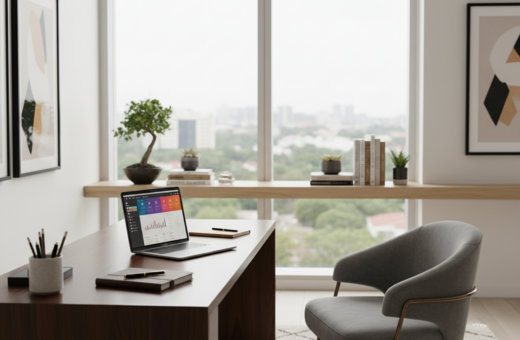
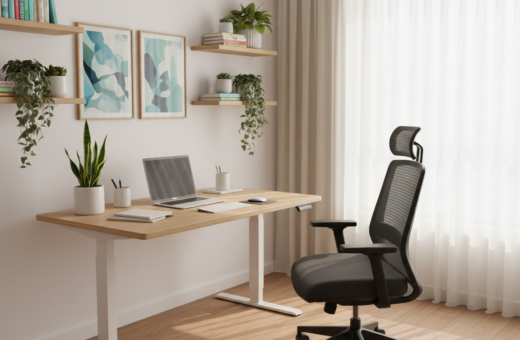
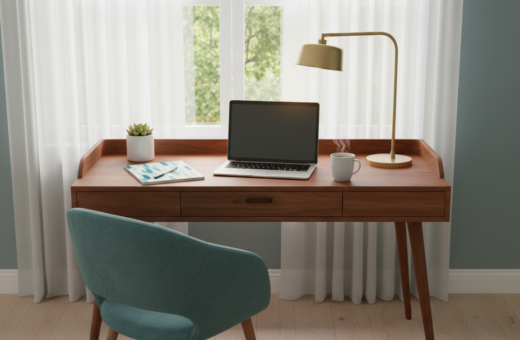
Creating a practical office in an apartment starts with clear choices. He or she must plan how each item supports daily work and comfort. A compact home office can fit into an attic, a corner, or a spare room without feeling cramped.
Many workers find a sturdy desk and good lighting transform a bedroom or living nook into a reliable setup. They should consider how each purchase adds real function, not just style.
Looking at photos of real projects helps. For example, the attic studio built by Zwitzh in Denmark shows how a limited space became a creative and efficient area. This guide will walk readers through what to buy, and what to skip, so the final room fits their needs and work habits.
Defining Your Small Workspace Essentials Budget
Setting a clear spending plan is the easiest way to avoid impulse buys when outfitting a compact home office.
They should start by listing must-have items and assign rough price ranges. This gives a realistic picture of what to buy now and what to add later. Prioritizing helps them choose things that improve comfort and productivity first.
Christian Realin, a student from the Philippines, saved for his monitor and speakers and bought them one by one. His method let him spread out costs and still get quality gear for his study area.
Many successful offices grew over months rather than in a single spree. By defining financial limits early, they avoid cheap furniture that wears out fast. A steady approach is the best way to build a durable, pleasant home office without overspending.
- Plan purchases by priority.
- Buy core items first, upgrade later.
- Track spending to stay within the set budget.
Why Scale and Proportion Matter in Apartments
Proportion shapes how comfortable and calm an apartment office feels.
Visual restraint keeps a room readable and calm. Choosing pieces that match the available space makes movement easier. It also preserves a professional tone for modern offices inside homes.
Visual Calm Through Restraint
Smaller, well-chosen items help maintain visual calm. Rochelle McNally from Georgia curated a tranquil home office by organizing only what she loved and adding a few personal trinkets from England.
Avoiding Oversized Furniture
Oversized furniture often dominates tight areas and blocks flow. A single heavy piece can make the entire room feel crowded and reduce usable space.
- Measure before you buy to ensure proper size and clearance.
- Use vertical shelving like ladder bookshelves to fit scale without bulk.
- Prioritize desk function and storage that match the apartment’s proportions.
“Proportion ensures a functional area rather than a cluttered corner.”
Good design balances scale and utility so offices in apartments feel intentional and calm.
Selecting the Right Desk for Your Corner
The ideal corner desk balances surface area, legroom, and steady support for devices. Choosing one that fits the room helps an office feel ordered and professional.
Prioritizing Leg Clearance and Stability
Leg clearance matters. She must be able to sit with a proper chair and avoid bent knees or cramped ankles. That reduces strain during long hours of work.
Stability is equally critical. A wobbly desk can shake a laptop or monitor and break focus. Hazel Jennings from San Francisco repurposed a second-hand desk and added sit/standing legs to make her creative station firm and flexible.
- Measure the corner so the desk fits without blocking flow.
- Choose a surface large enough for a laptop and monitor but not oversized.
- Prefer solid legs or a stable standing frame for balance.
For more tips on picking the right table and setup, see this desk guide. The right selection will support comfort and make focused work the easiest way to use the space.
Ergonomic Chairs That Do Not Break the Bank
A thoughtfully selected seat can make long hours of work feel notably easier. Choosing the right chair changes how someone copes with a full day at an office or home desk.
Jason Dela Cueva from the Philippines proved that comfort need not cost a fortune. He had a custom unit built by a carpenter and paired it with a supportive chair to finish a moody, efficient home office.
Investing in an ergonomic chair protects posture and reduces back pain that often follows poor seating. A good chair supports the lower back, allows adjustments for height and tilt, and keeps shoulders relaxed through long stretches of time.
- Look for lumbar support and adjustable height so the desk line matches your knees and hips.
- Test tilt and arm rests to keep shoulders and wrists neutral during work.
- Consider reputable or second-hand brands to find quality at a lower cost.
For a quick comparison of tested models, consult this best office chair guide. Combining a sensible purchase with care in setup will keep a workspace professional and healthy.
Lighting Strategies for a Polished Atmosphere
Thoughtful light choices make a home office look finished and keep the eyes comfortable for long hours. Proper lighting is a core element of a polished setup. It affects mood, clarity, and endurance while they work.
Layering Ambient and Task Sources
Layer ambient and task light so the room feels balanced. An overhead source establishes general illumination, while a focused lamp brightens the desk area for reading and detail work.
Minimizing Screen Glare
Position task lamps to the side and slightly behind the monitor to reduce glare. Adjustable lamps let someone fine-tune beam angle and avoid reflections on screens.
Choosing Warm Color Temperatures
Choose warm color around 3000K to make the area inviting. Warm tones reduce harsh contrast and help video calls look more natural.
- Functional tip: use dimmers on ambient fixtures for flexible mood and focus.
- Practical note: Gerwyn Manuel from the Philippines used specific light choices in his cyberpunk setup to add character without overwhelming the room.
- Eye care: a task lamp aimed at the desk lowers eye strain and cuts screen glare.
Creative Ways to Organize Office Supplies
Smart storage choices can turn an overfilled desk into an orderly, productive zone. A tidy area helps people work faster and feel calmer during long days.
Ashley Sainato from North Carolina uses ladder shelves to clear her desk and show mid-century decor. The vertical shelves keep books and small boxes off the surface while making the room feel intentional.
Using metal containers and modular storage systems is a practical option. They hold pens, chargers, and other essentials within reach without crowding the main work surface.
- Group things by color or size so finding items is faster.
- Keep daily items at arm’s reach and archive less-used things higher or below.
- Mix open shelving with closed bins to balance display and hidden storage.
A well-organized setup is more than neatness. It removes visual distractions and makes the whole space easier to use. That clarity becomes part of a focused, professional office.
The Value of Secondhand and Upcycled Finds
Scouring resale sites often uncovers high-quality pieces that give a home character without the usual cost. Buyers who consider resale can craft an office that feels personal and lasting while staying within a clear budget.
Benefits of the Resale Market
Lars from Copenhagen built a clean Scandinavian look by sourcing used furniture and adding DIY shelves above his desk. He kept costs low and found pieces with better materials than many new alternatives.
Ty Faulkner in the US refurbished an L-shaped table and saved items from landfill. Aliza Ceralde from the Philippines recommends simple DIY edits to tailor a chair or surface to personal needs.
- Long-term gains: hunting deals on eBay or Facebook Marketplace saves money over time.
- Quality options: refurbished things often outlast cheap new imports.
- Custom fit: upcycling lets someone adjust the setup to exact needs.
“Refurbishing old things is a practical way to build a room with character and purpose.”
Managing Cables Without Expensive Hardware
Simple cable tricks keep a desk clean without buying costly accessories. A tidy cord plan makes an office feel deliberate and reduces distractions. It also improves safety by preventing trips and snags.
Michael Medina from Dubai built a cable-free setup for his laptop by choosing affordable tools and testing routes under his table. He used basic clips and sleeves to group power and data cords.
Practical tip: secure bundled cords to the legs of a table or a standing frame. A few metal ties or adhesive clips hold lines flat and out of sight.
- Use clips and sleeves to keep cables together.
- Fasten to legs so cords run cleanly down and behind furniture.
- Store excess length in a simple box or under-desk tray for neat storage.
“Hidden cords create a calmer room and help maintain focus.”
These low-cost steps protect gear and keep the table tidy. With modest effort, anyone can achieve a professional-looking setup without stretching their budget.
Incorporating Vertical Storage Solutions
Smart vertical systems let someone store more while keeping the desk clear for work. This approach is one of the most effective ways to maximize the available room in an apartment or bedroom office.
Use wall-mounted shelves and pegboards to lift supplies off the surface and keep essentials within reach. Jovie Brett Bardoles from the Philippines made a monochrome custom PC desk in a tight corner by adding shelves above his setup.
Metal pegboards are durable and configurable. They let someone hang chargers, tools, and stationery where they are visible and easy to grab.
Measure the wall size before buying so units fit the room and do not overwhelm the view. Proper measurements prevent wasted purchases and awkward gaps above or beside the shelves.
- Choose narrow, tall units to take advantage of height rather than floor footprint.
- Mix open shelves with closed boxes for a tidy look and quick access.
- Install at a comfortable height so items stay reachable from the desk.
“Vertical storage creates order and frees the main surface for focused work.”
Avoiding Common Decor Pitfalls
A focused decor plan prevents a charming room from becoming visually chaotic. Thoughtful restraint keeps an office tidy and makes work easier.
The danger of over-accessorizing is real in tight apartment rooms. Too many objects on a desk or shelves break visual flow and hide useful storage. Bram van Duijvenvoorde from the Netherlands solved this by measuring every item before buying. He chose only what fit the bedroom plan and left extra surface clear.
The Danger of Over-Accessorizing
Limit surfaces to a few items that serve function or mood. A lamp, one plant, and a catchall tray usually suffice. Extra knickknacks only add dust and distraction.
Testing for Clutter
Periodically step back and take photos of the room. Images reveal crowded corners and competing colors faster than the eye does. Removing one or two objects often restores calm.
- Measure first: ensure shelves and storage match the desk scale.
- Clear daily: keep the desk surface for work, not display.
- Use a palette: stick to a simple color scheme for a cohesive design.
“A minimalist approach focusing on a few key pieces will always read as more sophisticated.”
Balancing Aesthetics with Daily Functionality
Design choices must support hours of focus as much as they please the eye. That balance is the most important part of creating an office someone will actually use every day.
Isabel E. from the Philippines built a studygram desk through trial and error. Over time she tuned lighting, chair height, and decor so long work sessions felt comfortable.
Nilson Gaspar in Birmingham used IKEA furniture to mix personal style with practical storage. He proved affordable pieces can form a durable desk setup that reflects taste and purpose.
Prioritize how the room functions first: the chair and table should match body height and task needs. Then layer in decor and select furniture that supports both form and use.
- Keep size and clearance so movement is easy and the table serves daily tasks.
- Choose things that simplify routines—visible storage, a steady lamp, and reachable power.
- Test and adjust over time; small changes often yield the best results.
For practical guidance on how to balance aesthetic and function, readers can follow a step-by-step approach to make their space feel like a professional, livable office.
Conclusion
Practical decisions about furniture and storage make an apartment feel like a proper office over time. They should plan purchases to match real needs and the available time they have for setup, so improvements arrive steadily and predictably.
Prioritize ergonomics and clear storage around the desk and pick durable pieces that support daily work. A sensible plan keeps the home office useful without frequent replacements, and it protects a tight budget while lifting comfort.
Measure the room, test arrangements, and let the space evolve. With care and clear choices, any corner can become a professional, inspiring place to work each day.