Living in a compact studio calls for clear planning. He or she must map how the room will serve as a bedroom, living area, and work zone each day.
Design experts say the key error is failing to define zones. When zones are unclear, the home feels like it is trying to do too much at once.
Resource Furniture advises that a solid studio apartment layout should be the foundation. First, they recommend assessing square footage and daily needs before buying furniture.
Remember that a fixed bed often takes the largest chunk of floor area. A thoughtful plan lets the room shift functions and keeps movement easy.
Every piece of furniture must earn its place by serving multiple purposes. That approach helps the apartment stay tidy, usable, and calm each day.
Understanding the Challenges of Studio Living
A tiny flat behaves like a 3D puzzle where each item must earn its place. In a compact studio apartment the same room must handle sleep, work, meals, and storage without looking crowded.
Good design for small homes requires flexibility. Traditional furniture placement often fails because it ignores the apartment’s unique layout. Professionals plan for pieces that shift and adapt through the day.
Successful living in tight spaces balances privacy and openness. By accepting limits, a resident can choose furniture that improves movement and makes the home feel calm.
- View the room as a multi-functional canvas that changes with the day.
- Prioritize items that serve multiple roles and free up space.
- Plan pathways so daily routines stay easy and comfortable.
Common Workspace Mistakes in Studio Apartments
When scale is ignored, a desk or table can overpower an apartment and choke the flow of daily life. That error shows up as blocked pathways, dimmed windows, and cramped living areas.
The Pitfall of Oversized Desks
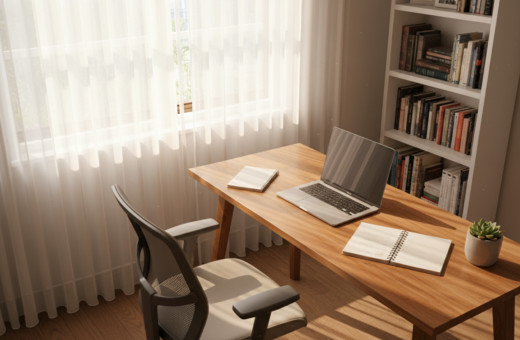
Large desks or dining tables often steal the floor area that a compact studio needs for movement. Placing a bulky piece near a window can cut natural light and make the room feel smaller.
Working from the Bed or Sofa
Using a bed or sofa as a regular work spot blurs zones. The result: clutter builds, storage gets co-opted, and the living area stops feeling like a place to rest.
“Select furniture that fits scale and keeps clear pathways,” design pros advise.
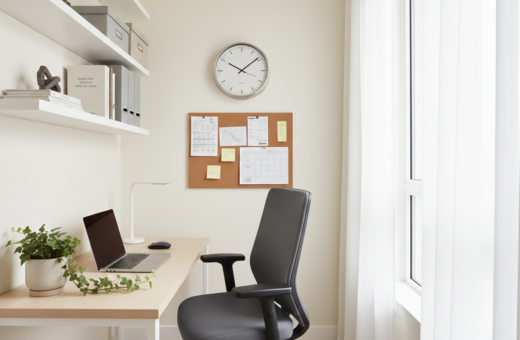
- Prefer narrow desks or wall-mounted shelves to save floor space.
- Protect natural light by avoiding blockages near the window.
- Define separate areas for work and living to reduce clutter.
The Importance of Defining Functional Zones
Defining distinct zones makes a compact room feel intentional and roomy. A clear plan gives each area a purpose and stops activities from blending together.
Use simple anchors such as rugs and task lighting to mark a sleep area, a work area, and a small dining spot. These cues offer separation without erecting walls.
Professional design thinking assigns a mood and job to each zone. When a corner is set for work, the rest of the home keeps a relaxed living tone.
Strategic furniture placement often divides an apartment more smoothly than a screen. A narrow bookshelf or a low console can guide flow and keep pathways clear.
“Give every activity a proper place so the room reads as deliberate rather than cramped.”
- Create a dedicated workspace zone to prevent the whole space from feeling like one long shift.
- Anchor areas with texture and light to define boundaries.
- Keep circulation paths open to preserve a calm layout.
Selecting Furniture That Serves Multiple Purposes
Smart choices help a compact apartment adapt from morning to night. Choosing multi-functional pieces frees floor space and keeps the room feeling calm.
Transforming tables and desks can act as a dining surface or a work table and fold away when not needed. A drop-leaf table or a wall-mounted desk expands use without stealing circulation paths.
Transforming Tables and Desks
Pick a table that collapses or tucks against a wall to save space during the day. This approach keeps seating available for guests and clears the floor for other activities.
Storage Ottomans
A storage ottoman offers extra seating and hides blankets, files, or seasonal items. It is a compact storage strategy that replaces bulky chests and supports a tidy living area.
Murphy Bed Systems
Murphy bed systems reclaim the largest footprint in a studio apartment by folding up against a wall. Many models include shelves or built-in drawers to boost storage and eliminate a separate dresser.
- Consider the scale of each piece so the room does not feel overwhelmed.
- Invest in quality, multi-functional furniture to meet daily needs.
- Resource Furniture offers systems that let a small home shift functions smoothly.
Maximizing Vertical Space for Storage
Reaching for the ceiling with shelves and cabinets turns unused height into valuable storage. This approach frees the floor and keeps daily paths open.
Use tall shelving and floor-to-ceiling cabinetry to stow seasonal items, books, and boxes. When furniture performs double duty, the main living area stays uncluttered and calm.
Floating shelves and narrow cabinets let a resident display essentials without sacrificing square footage. Placing storage high draws the eye upward and creates an illusion of height.
- Install shelves that reach the ceiling to use every inch.
- Store seldom-used items on top shelves and daily goods at eye level.
- Choose slim, multi-use furniture to keep the floor free.
A thoughtful design that maximizes vertical space helps a small studio apartment feel larger. By using walls rather than floor area, the home gains both order and breathing room.
Strategic Furniture Placement for Better Flow
Thoughtful placement of each piece transforms a cramped room into a calm, usable home. Good furniture placement helps movement and keeps daily routines smooth.
Creating Clear Pathways
Clear paths stop a small area from feeling like a maze. Arrange a sofa or table so people can reach the window, kitchen, and door without detours.
Rather than pushing every item against the wall, float seating to define a living area. A console behind a sofa can divide zones without blocking sightlines.
- Keep at least one main channel of movement across the floor for easy flow.
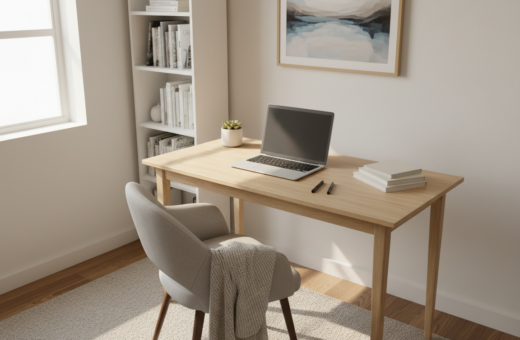
- Position a narrow table or wall desk where it supports dining and work without blocking traffic.
- Choose pieces that match the room scale so each zone feels intentional.
“Place each piece to support its zone and allow comfortable movement.”
Optimizing Natural Light and Artificial Illumination
Bright, well-placed light can make a compact layout feel open and deliberate.
Keep window treatments sheer to let natural light flood the space and reduce heavy shadows. Avoid placing tall furniture against the window; that blocks light and shrinks the room visually.
Use pendant lights to mark zones and give focused lighting for a desk or dining table. Layer floor and table lamps so each activity has the right brightness and mood.
A simple design trick is to hang a mirror across from a window to reflect light and add depth. Under-cabinet lighting in the kitchen delivers task light and creates a warm, cohesive feel across the apartment.
Balance ambient, task, and accent lighting to make the wall planes read as part of one open layout. Thoughtful placement of lamps and fixtures helps furniture perform better and makes the entire studio apartment feel larger and more inviting.
“Manage light deliberately; it changes perception as much as any piece of furniture.”
- Choose sheer window coverings.
- Use layered lighting for flexibility.
- Reflect light with mirrors to expand the room.
Avoiding the Clutter Trap
Consistent editing of belongings stops clutter from overwhelming a small home. A focused routine and simple rules help keep each zone clear and functional.
Minimalist Decor Philosophy
Minimalism favors clean lines and functional furniture that work across tasks. Choose seating and a table that serve more than one purpose to limit excess pieces.
Clear surfaces and a few well-chosen accents let light and vertical space breathe. Group items in matching baskets so everything has a proper place.
Seasonal Item Management
Designate a day each season to sort clothing, linens, and belongings. Use smart storage like ottomans with hidden compartments and ceiling-high shelves to keep the floor free.
Avoid underestimating storage needs; a cluttered layout often comes from not planning where things will live. For practical tips, consult a short guide on seasonal decluttering at decluttering routines.
“Group similar items, store seldom-used goods high, and make keep-or-give decisions quickly.”
Incorporating Technology Without the Mess
Smart cable management makes gadgets disappear and space reappear. A clear design lets devices live where they belong so the home keeps a calm feel and avoids visual clutter.
Choose furniture that hides power strips and routes cords through channels. Many modern beds and desks now include integrated USB ports to meet daily needs without extra wires on the floor.
Give the dining table or desk built-in storage so laptops and chargers tuck away at the end of the day. Stash small hubs behind a low wall shelf or inside a narrow cabinet to keep the room tidy.
Hide devices when they are not used. A fold-down desk, a sliding panel, or a chest with cable access lets the home shift from work to rest quickly.
“Proper cable management prevents visual chaos and preserves clear circulation.”
- Use cable clips and raceways to protect cords and free up space.
- Pick furniture with hidden storage to keep belongings accessible and out of sight.
- Layer lighting and place USB outlets near task areas for tidy charging.
The Role of Color and Texture in Small Spaces
Light hues and subtle texture work together to make a compact space feel wider and more inviting. A careful color choice helps reflect natural light and reduces visual clutter.
Using Light Palettes to Expand Space
Design pros often favor creams and muted grays. These tones bounce light across the wall and help furniture recede, making the room read as larger.
Add varied texture with woven rugs, linen throws, and tactile cushions. Texture brings depth without adding items that demand storage or floor area.
- Use a cohesive color scheme across furniture and walls to define zones and keep areas calm.
- Place mirrors opposite windows to increase natural light and amplify the effect of pale paints.
- Layer rugs and fabrics so the space feels tactile and sophisticated, not flat.
“Choosing the right colors and textures is essential to making a small area feel both airy and polished.”
Testing Your Layout Before Committing
Simulating new pieces with boxes helps confirm scale, flow, and placement before heavy lifting. Use cardboard to mark where each piece will sit and check sightlines from key spots.
A simple test run is a core design step. Try multiple layouts over several days to see which supports daily routines. This approach prevents costly errors and shows how furniture interacts with the room’s scale.
Observe actual movement through the space at different times of day. Walk the main paths, open drawers, and sit where you will work and relax. Look for pinch points and blocked light.
Many designers recommend living with a temporary layout for a few days. That trial reveals what works and what needs changing before final placement.
- Mock up pieces with boxes to verify scale and clearances.
- Test movement and flow while carrying items you use daily.
- Adjust placement until the layout supports a calm, functional life.
“A well-tested layout is the foundation of a functional home and prevents buying pieces that are too large.”
Conclusion
A focused plan turns limited square footage into a calm, highly usable home. Thoughtful furniture placement and multi-purpose furniture let a studio apartment do more with less. Prioritizing smart storage and clear zones keeps daily life organized and simple.
Apply practical design rules: anchor areas, layer lighting, and test layouts before buying. Good choices protect circulation, save footage, and make living feel deliberate. With smart storage and solid design, even the smallest place can become a stylish, comfortable retreat.