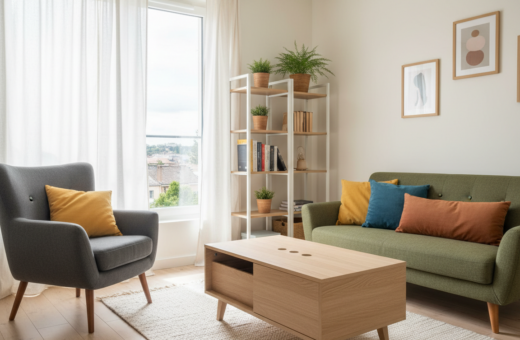
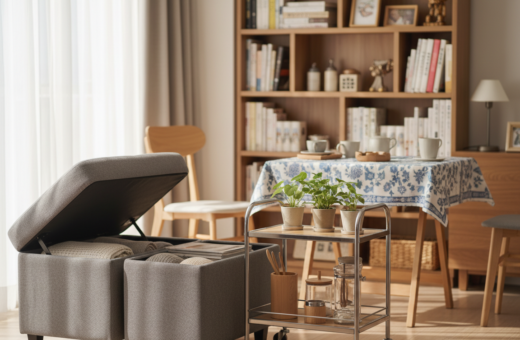
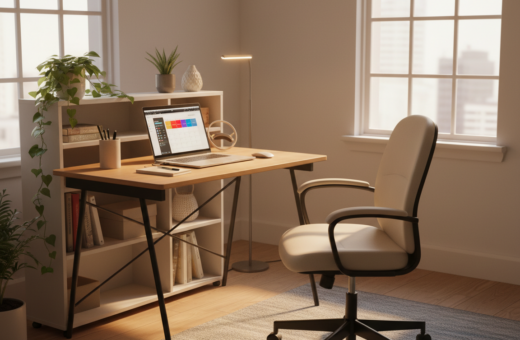
Design pros showed how thoughtful layout turned tight quarters into calm, usable spaces. Wendy Labrum used large-scale checks on walls and upholstery to make a studio feel cohesive. Alexandra Gater divided a 150-square-foot room with a Kallax shelf as a practical divider in her Creator Class project.
Photographer Bjorn Wallander kept a 350-square-foot studio clear by choosing counter stools that tucked under the counter. The 2023 House Beautiful Whole Home feature showed a daybed that served as both sofa and bed.
Architect Michael Chen of MKCA designed a Murphy bed in a two-tone palate to free floor space in a compact home. This article explores how pro moves preserved walkways and boosted daily movement.
Readers will learn the best way to make a room feel larger while keeping storage and style intact. For layout cues and practical tips, see a useful guide on effective living layouts that covers spacing and flow.
Optimizing Small Apartment Furniture Arrangement Ideas
A focused approach to scale and proportion can make a compact living feel calm and roomy. Professionals stress that one guiding principle is scale: pick pieces that respect walkways and sightlines so the living room feels balanced.
The Importance of Scale
Designer Nicholas Obeid noted that proper scale prevents a room from feeling cramped. Ellie Christopher also highlighted how proportion helps people live better in a compact living room.
Choose a low-profile sofa to keep sightlines open. Let each piece have breathing room from the walls and the floor to preserve movement.
Balancing Function and Style
Every item should earn its place. Experts advise selecting pieces that offer storage or dual use so the living area stays purposeful and elegant.
“The right decor makes a small living feel dynamic rather than overwhelming.”
- Favor items with clear function and clean lines.
- Match scale to the room so the space reads as cohesive.
- Use consistent color and decor accents to tie walls and surfaces together.
Prioritizing Movement Flow and Room Circulation
Prioritizing clear walkways transforms how people use a living room. Designers say circulation matters as much as color or scale.
Dan Mazzarini recommended unconventional layouts — for example, floating a bed with a dresser behind it — to define zones without building walls. Alexandra Gater also used pieces to create a visual divide in a studio, which helped guide both eye and body through the room.
The goal is simple: keep floor space open so moving from one area to the next feels natural. Use paint to mark a functional zone and avoid placing objects that block the main way.
- Clear paths prevent stepping around pieces and improve daily living.
- Define areas with color or low screens to keep the floor free.
- Let pieces guide movement so the room reads as fewer, larger spaces.
“A well-planned layout uses pieces to guide the eye and the body.”
Utilizing Vertical Space for Storage
Raising storage to eye level and above changes how a room reads and moves. Designers often use vertical solutions to protect floor space while boosting capacity. Alexandra Gater recommends treating the wall as usable real estate when floor space is limited in an apartment.
Installing Shelving Above Doorways
Shelves above doorways create a tidy focal point and keep daily items off the floor. This method makes the ceiling feel higher and the room feel less crowded.
Sarah Tract used a wall-to-wall dresser in a tiny NYC nook to gain storage without taking up the main walking line. A narrow desk mounted to the wall can add function and hidden storage, too.
- Maximize square footage: Use tall shelves and cabinets to store books, plants, and art.
- Keep the floor clear: Vertical solutions free the floor for better circulation.
- Draw the eye upward: A higher sightline expands perceived space in any room.
“Every inch of wall space can be optimized to house items that enhance the home.”
Creating Intentional Zones with Furniture
Intentional zoning makes a single room feel like several purposeful spaces. In a living room this approach helps separate sleeping, working, and relaxing without walls. Designers use modest pieces to guide sightlines and protect the main way through the room.
Alexandra Gater placed a Kallax shelf at the foot of a bed to form a clear visual divide in a 150-square-foot small living room. Rodney Lawrence wrapped a thin strip of paneling around a room to bridge zones and keep the flow intact in an apartment.
Use decor and plants to mark borders so the room reads as connected areas rather than a series of obstacles. A low shelf, a rug, or a narrow screen defines an area without closing off the space.
- Define function: let each zone serve one main task to simplify use of the space.
- Keep paths open: position pieces so walking lines remain clear in the living room.
- Layer decor: use plants and shelves to anchor zones and improve home utility.
“Intentional zones turn one room into multiple usable spaces.”
Selecting Multifunctional Pieces
A single convertible piece can replace several permanent objects and simplify circulation. Choosing items that serve two roles keeps the area tidy and makes daily movement easier. Multifunctional selections are key when every inch matters in an apartment.
Daybeds for Dual Use
A daybed acts as both a sofa and a sleeping surface. The 2023 House Beautiful Whole Home showed how a daybed provides comfortable seating and an overnight guest spot without extra bulk.
Pick models with built-in storage to tuck linens or seasonal items out of sight. This keeps tabletop and floor clutter low and preserves open walking lines.
Murphy Beds for Floor Space
Murphy beds fold up against a wall to free the floor for daytime uses. Michael Chen of MKCA designed a version that effectively doubles the usable square footage in a modest apartment.
When raised, the bed clears the main area for play, work, or extra seating. Combine it with a slim table or nesting tables to add flexible work or dining surfaces.
- Dual-purpose sofa: hosts guests without extra beds.
- Storage seating: benches and ottomans hide blankets and gear.
- Nesting tables: extra surface that tucks away when not needed.
“Choose pieces that work as hard as you do and the room will feel larger.”
Leveraging Light Colors to Expand Perception
A sweep of white or soft cream across walls and ceilings opens sightlines and lengthens a room.
Designers like Gabriela Eisenhart used white paint and light white oak floors to make an Atlanta apartment feel brighter and more open.
Anne McDonald applied Benjamin Moore’s Pristine on walls, trim, and ceiling to create a lengthening effect. The uniform color draws the eye upward and across the area.
Leveraging light colors is a proven way to make a space feel larger. Paint that reflects natural light helps the room feel airy rather than closed in.
- Use pale paint on floors and walls to create depth and make the room feel continuous.
- Keep trim and ceiling in a matching tone to let the eye glide and make space feel seamless.
- A light-filled area prevents a space from feeling dark or cramped and improves the way people move through it.
“The right paint choice can transform a small home into a bright, welcoming place.”
Incorporating Reflective Surfaces
A single mirrored piece can change how light travels and how the eye reads a space. Designers use reflections to expand depth and brighten a room without adding bulk.
Mirrored Coffee Tables
A mirrored coffee table is a practical way to make space feel larger by bouncing light across the seating area. Amy Kalikow added one to a sitting zone to create an airy, open room feel.
Rayman Boozer’s chrome-legged nightstands perform the same trick in bedrooms—legs that catch light make surfaces seem to float. This reduces visual weight and helps the room feel less crowded.
- Mirrors on a wall extend depth and can make an apartment seem bigger.
- Placing reflective pieces near a window amplifies natural light and brightens color choices and paint tones.
- A reflective table adds structure without visual heaviness, helping the space feel open.
“Reflective elements are a staple in compact design; they trick the eye into perceiving more room.”
Choosing Furniture with Visible Legs
Visible legs on a chair or table let light pass beneath, which opens the visual plane of a room. Designer Devin Kirk used a spindle-y chair and a square side table in a tight entry to keep the space feeling open.
When the floor stays visible, the room reads as more expansive. Legs create pockets of light and move air under each piece, so the room feels airy rather than heavy.
Pick pieces that lift off the ground to preserve sightlines and make daily movement easier. A coffee table with thin legs performs better in a compact living area than a solid base.
- Keep the floor visible: this simple trick makes the space feel larger and cleaner.
- Favor slim profiles: spindle-y chairs and tables with narrow legs reduce visual weight.
- Choose raised seating: off-the-floor seating preserves air flow and a sense of openness.
- Prefer legged coffee tables: they help the room feel lighter and support circulation.
“Visible legs let light and air do the work of opening a room.”
Implementing Unconventional Layouts
Reimagining where pieces sit often opens up unexpected movement and use in a room.
Implementing unconventional layouts in a living room can segment the area into clear zones. Designers used bold choices to shape flow and define purpose without building walls.
Dan Mazzarini suggested floating a bed with a dresser behind it to create a sleeping nook and a dressing area in a studio. That same logic applies in a living room: a sofa or low cabinet can carve a private nook while keeping the main way open.
Francesca Grace placed a large, sweeping curved sofa as a sculptural anchor. That single piece made the living space feel cohesive and intentional. A well-placed sofa can free floor space and guide movement.
Try shifting pieces away from the walls to create circulation paths and visual layers. Unconventional setups add personality to a home and make each small living room highly functional.
Takeaway: challenge norms. A creative layout can fit needs into a compact area and let decor support daily living.
- Use pieces to define zones without closing off the space.
- Float a sofa or dresser to make a clear path and anchor a view.
- Think sculptural: one bold piece can unify several functions.
Maximizing Natural and Artificial Lighting
A focused lighting plan can transform a dim room into an inviting, usable space that reads larger than its square footage. Good light improves the space feel and helps people move through zones with ease.
Layering Warm Light Sources
Layer light to create depth. Use wall sconces, table lamps, and low pendant fixtures so light comes from several angles.
Devin Kirk favored wall sconces instead of floor lamps to keep the floor clear and reduce clutter. Warm bulbs help draw eye to seating areas and make the room feel cozy without harsh contrast.
Keeping Windows Unobstructed
Let windows work for the room. Avoid heavy curtains and choose slim treatments so daylight floods the floor and wall planes.
Designers often add a pop of color to amplify brightness. Daniel Rauchwerger’s bright yellow chair energized a palette of whites and creams and helped light reach deeper into the apartment.
- Maximize daylight: open windows and use sheer panels to make small spaces feel more open.
- Use reflective surfaces: mirrors and gloss paint help distribute light across a room and ceiling.
- Choose warm artificial light: soft tones keep the space feel inviting at night without overpowering color choices.
“A layered lighting plan makes a space feel larger and more intentional.”
Using Large Scale Art to Anchor Spaces
An oversized canvas can instantly give a living room a clear point of focus without stealing floor space.
Designer Kate Hartman introduced large-scale artwork to anchor a small living room, creating an immediate focal point that reads like architecture. In that living area, one bold piece replaced clusters of smaller wall decor and cut visual clutter.
Place petite seating nearby to add function. J.P. Horton often uses spare stools as a side table or extra seating so guests have room without crowding the main path.
A single oversized painting pairs well with a low coffee table and a slim table lamp to form a cohesive vignette. This keeps the room intentional and easy to navigate.
- Large art anchors the living room and sets scale for the area.
- One statement piece reads cleaner than many small objects in a small living room.
- A well-chosen coffee table complements the art and ties the design together.
Managing Clutter for a Streamlined Look
Design-forward storage solutions let a space function without visual chaos. Brooke Mennen-Talsma noted that built-ins and added storage deliver an organizational solution that is both attractive and clutter-free.
Sarah Tract maximized every corner of an NYC apartment by installing a wall-to-wall dresser. That single move kept surfaces clear and made the room feel organized.
Be intentional about what remains on display. Let a few favorites draw the eye. Put the rest away so the main way through the room stays open.
- Hidden storage keeps daily mess out of sight and protects the overall look.
- Built-in shelves and drawers ensure every item has a designated place, improving flow and storage efficiency.
- Keep a short decluttering routine to preserve the streamlined look and support a calmer room feel.
“A clean, organized room is the best way to make space feel larger and more peaceful.”
Employing Rugs to Define Areas
Layering rugs can subtly map how people move through a living area and make zones feel intentional.
Designers often use rugs to anchor seating and unify a living room. Anne McDonald layered rugs in compact spaces to add texture and depth without bulk. Meg Lonergan placed a 1940s Finnish rug as a bold green geometric block to create flow across the room.
A large rug that covers most of the floor ties the table and seating into one coherent area. This visual ground makes the living room read as larger and more purposeful.
- Use a primary rug to anchor the seating zone and define the living area.
- Layer a smaller rug for texture and to mark a secondary spot, such as a reading nook.
- Choose scale so legs sit on the rug for cohesion around a table or sofa.
“Rugs are a powerful tool; they turn an open floor into a connected, comfortable living room.”
Experimenting with Wall Treatments
A dramatic wall treatment can shift a room’s personality without altering the footprint. Bold choices on a single surface reshape how people read scale and motion.
Using Bold Wallpaper Patterns
Hilary Gibbs of LIVDEN argues that a geometric wallpaper does more than decorate a wall — it redefines the entire room. Designers use pattern to create rhythm so the ceiling feels higher and sightlines move more freely.
Christina Cruz used a bold green limewash paint to make a living space feel moody and intimate. That same approach can add depth and a strong sense of color without crowding the floor.
- Experiment with wallpaper to add depth and personality to the walls.
- Use one patterned wall as an anchor to guide movement and focus.
- Balance bold patterns with calm pieces so the overall design reads cohesive.
“A well-chosen wall treatment draws the eye and makes the room feel intentional.”
Refreshing the Space Seasonally
Rotating decor with the seasons helps a home respond to shifting light and activities. A seasonal update keeps the room feeling new without large expense or renovation.
Changing textiles, colors, and small accoutrements lets occupants match the space to weather and mood. Swap pillows, throws, and a rug to create warmth in winter or airiness in summer.
Simple swaps also improve function: lighter linens brighten long summer days, while denser weaves add comfort as temperatures drop. These moves are quick and reversible.
- Refreshing the space seasonally keeps the room vibrant and up to date.
- Decorating for the seasons allows testing new colors and textures safely.
- Move a chair, swap art, or change lighting to adapt to changing light and use.
- Seasonal updates show thoughtful design and keep daily life comfortable.
“Every season offers a chance to rethink layout and decor so the living space stays relevant.”
Conclusion
Focus on light and flow, and the rest falls into place. A simple plan that aligns light, vertical storage, and smart seating helps a living room feel open and intentional.
Use pale color on walls and bring in reflective surfaces to boost daylight from a window or ceiling fixture. Anchor the view with art, a rug, or a low coffee table so the eye knows where to rest.
Keep pathways clear and pick dual-purpose pieces like a daybed or wall bed to free floor space. With thoughtful design, a small living room or apartment can make square footage feel generous, practical, and welcoming.