In today’s digital workplace, a clear plan can turn scattered hours into steady progress. A well-built morning routine for remote workers helps them set priorities and protect family time. It acts as a simple anchor that signals the start of work and the end of personal tasks.
Research shows that people with a steady morning routine report better focus and higher productivity. By shaping a short schedule, they manage their time and keep the day moving without friction.
Many struggle to separate their job and home life. This short guide explains practical steps to craft a useful plan. They will learn ways to balance work, family, and daily things while keeping stress low.
Key takeaways: A compact morning routine builds structure, improves productivity, and protects family time.
The Importance of a Morning Routine for Remote Workers
A clear start to the day gives people working at home a dependable anchor. Small habits at the beginning of the day set expectations for focus and how time will be used.
The Impact of Structure on Productivity
Structured beginnings help reduce decision fatigue. A Stanford University study of 16,000 workers showed that working from home with a structured approach raised productivity by 13%.
These simple rituals let workers block time for key tasks and guard against distractions. Over days, that discipline boosts measurable productivity and task completion.
Avoiding Burnout and Maintaining Balance
Without clear boundaries, work can spill into personal things and family time. Consistent routines provide a way to separate work and home life.
- Structured starts improve time management and reduce burnout risk.
- Tracking progress at work home links to higher job satisfaction and lower attrition—Stanford found a 50% drop.
- Early-day habits help people protect personal days and important things.
Preparing for Success the Night Before
A short nightly checklist turns tomorrow’s chaos into clear, actionable steps. Planning tasks the night before gives the brain time to sort priorities. It reduces decision load at the start of the day and lowers stress.
By writing a simple to-do list each evening, people working home remove mental friction. A clear list helps them wake up with a roadmap and focus their morning on well-being, not scrambling.
Organizing things before sleep also protects the mind from cortisol spikes that can harm focus. A tidy desk and prepped materials make it easier to dive into work without delays.
- Set three priority tasks for the day to direct time and energy.
- Prepare the home workspace so the morning routine gains time back.
- Use a consistent night schedule to help the brain unplug and recharge.
For a quick start, adopt a night planning checklist. See a sample night planning checklist at night planning checklist to build one that fits their schedule.
Establishing a Consistent Morning Ritual
A brief, repeatable series of steps can quickly prime the brain for a productive workday at home. Small, steady actions set a calm tempo and help protect family time later in the day.
Getting Ready for the Day
Start with basics: a healthy breakfast and a quick tidy of the workspace signal the brain that it is time to work home. Keeping the phone out of reach during these minutes reduces distractions and saves time later.
Incorporating Mindfulness and Meditation
Ten to twenty minutes of focused breathing or a guided 20-minute Headspace session can cut morning stress and clear the mind. This practice makes it easier to return to tasks after breaks.
“A short daily practice can center attention and lower reactivity across the workday.”
Moving Your Body
Movement wakes the body and sharpens thinking. A 30-minute YouTube workout or a 10-minute walk and light stretches provide energy to tackle the day’s tasks.
- Spend about an hour total on these rituals to build a buffer between home and work.
- Enjoy a cup of coffee in a quiet space to feel grounded before starting the workday.
- Follow a consistent schedule for breakfast and breaks to maintain rhythm through the week.
Tip: For a step-by-step guide that helps shape this plan, see building a productive morning routine.
Optimizing Your Workspace for Deep Work
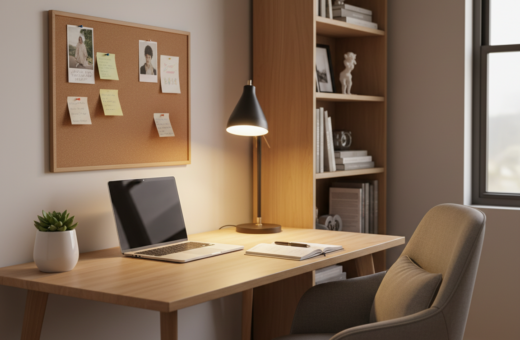
A neat desk and a few simple habits make it easier to protect long stretches of productive time. A dedicated space at home reduces distractions and raises overall productivity.
They should use the first part of the morning to clear the area and set three priority tasks. A quick wash of a coffee cup or breakfast dish before opening emails saves minutes and prevents clutter from breaking focus.
To achieve deep work, turn off the phone or place it in another room. Video alerts and social apps can derail attention in ways that lengthen the day and reduce output.
- Create a dedicated desk zone that holds only work things.
- Take short breaks to walk, stretch the body, and reset eyes.
- Use structured times to check emails so they do not fragment focus.
Tip: A tidy workspace is a simple way to keep attention on important things and avoid household interruptions while working home.
Managing Tasks and Time Effectively
A practical approach to time and tasks cuts through distractions and keeps progress steady each day.
Prioritizing high-impact work means deciding what moves the most important projects forward and scheduling those items when energy is highest.
Prioritizing High-Impact Work
They can use the Pomodoro technique—25 minutes of focused work followed by a 5-minute break—to guard attention and boost productivity.
Tools like Google Calendar and Todoist help structure a clear to-do list and map tasks into a daily schedule. Blocking time in the calendar makes commitments visible and real.
If distractions persist, the Freedom app blocks tempting sites while they work home. Setting an hourly timer also pressures the brain to stay on one thing and avoid multitasking.
- Use 25/5 cycles to keep focus high throughout the day.
- Review the to-do list each morning to set realistic tasks for the week.
- Batch emails and video calls into specific times so deep work stays uninterrupted.
Tip: Treat the list as a living document—move low-value tasks to later days and protect hours for the work that matters most.
Balancing Professional Responsibilities with Personal Well-being
They should close the day by physically shutting the desk and signaling an end to work. This clear boundary helps protect family time and reduces evening stress.
Taking lunch away from the workspace nourishes the body and clears the mind. Short breaks during the day also make tasks easier to manage and improve overall focus.
Scheduling a walk with family after work creates a gentle transition from work to home life. A shared walk supports connection and helps decompress at the close of the day.
- Accept that one person cannot finish every thing; move low-priority items to the next day’s list.
- Keep the phone in another room during personal time to protect the mind from constant alerts.
- Create a dedicated space that supports a calm start and a clear finish to the workday.
For a practical example of structuring this balance, they can consult a concise work-from-home plan that aligns with these steps.
Conclusion
A simple closing plan helps people turn daily intentions into measurable gains.
Implementing a clear morning routine for remote workers and a consistent morning routine sets the tone for the day and boosts long-term productivity.
Use a short list of three priority tasks, keep the schedule flexible, and follow practical tips that protect the body and mind. These small steps make working home more effective and raise job satisfaction.
When the day ends, review progress, adjust the next day’s plan, and protect personal time. A structured approach helps people achieve more while keeping balance and resilience.