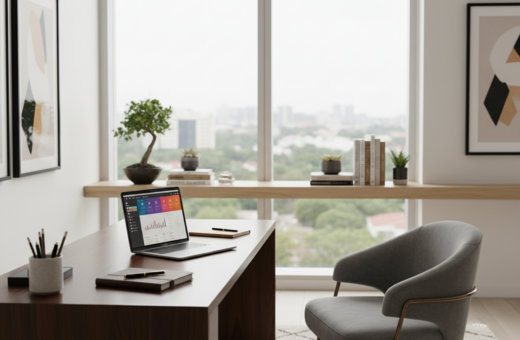
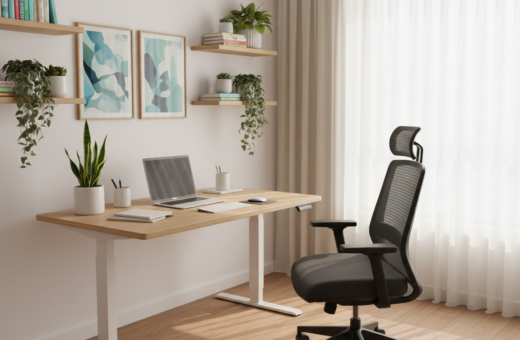
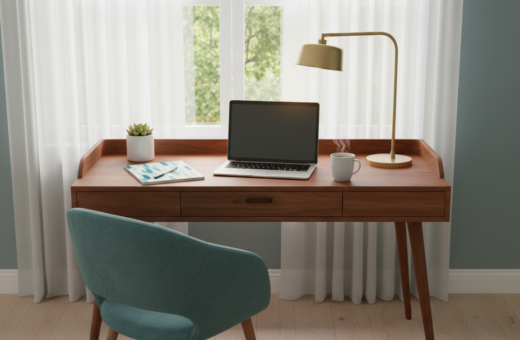
They began by carving out a corner in the home to place a compact desk. That simple move created a clear zone to focus on work and cut daily clutter.
Next, they added a few floating shelves on the wall to lift items off the surface. These shelves gave the room vertical space and kept essentials in easy reach.
Simple ideas like hooks and labeled bins made a big difference. With a few cheap pieces, the office space felt neater and more intentional.
The reader will find that making space does not require a big budget. Smart choices—a shelf here, a corner desk there—can turn a cramped room into a calm workspace.
Assessing Your Current Workspace Needs
They began by living in the room without making changes. This simple test revealed where items gathered and how the desk fit the daily flow.
Observe first, then plan. Alexandra Gater recommends using the space as-is to learn natural habits before buying new furniture.
- Pick the exact spot where the desk will sit and check chair clearance to avoid blocked movement.
- If the setup is in a corner, measure how much room equipment needs so the home office stays functional.
- Consider a quick professional check to see if current furniture works or if a compact desk makes sense.
Understanding daily work patterns helps decide if a corner layout maximizes square footage. Identifying the right spot prevents a cramped office and supports a professional, healthy workflow.
Decluttering for a Fresh Start
First, strip the workspace down to basics to see exactly how much room exists. Clearing the desk of excess papers and knick-knacks gives a clear view of available space and helps them plan the next steps.
They should set aside dedicated time to sort files and toss or archive old papers. If the setup sits in a corner of a room, it is important to remove items that do not belong in a professional office area.
- Remove nonessential items so the desk holds only daily tools.
- Group papers into action, archive, or recycle piles to save time later.
- Create a single place for incoming mail to prevent future clutter.
- Reset the surface each evening to keep the home office inviting.
A clean slate makes it easier to introduce an organization system and keeps the space focused on work. Once cleared, the room feels more open and the desk becomes a productive place to do quality work.
Implementing Affordable Storage for Small Workspaces
Hunting secondhand racks and clearance aisles revealed useful bins and drawers that matched the desk dimensions. This practical approach kept costs low and let them test what truly works in the room.
Budget-Friendly Sourcing
They shopped discount and thrift stores to find bins, a slide‑under unit, and low-profile drawers. These picks made it simple to add office storage without overfilling the area.
Prioritizing Essential Supplies
Next, they sorted supplies into three piles: daily, occasional, and archive. Keeping only daily tools on the desk helps reduce visible clutter and keeps papers and files tidy.
- Use bins and small drawers to group pens, chargers, and papers.
- Pick units that fit under or beside the desk to free surface space.
- Choose one labeling method to keep items easy to find.
Practical storage ideas and clear priorities make it easy to keep a home office organized. Small changes in how supplies are stored produce big gains in usable spaces.
Maximizing Vertical Wall Space
They opened up the vertical plane above the desk to gain easy access to books and files. Using the wall this way creates more usable area without crowding the floor.
Installing Floating Shelves
Floating shelves lift books and files off the surface and free space on the desk. Choose a sturdy mount and test weight limits before loading the shelves.
Stack items by use: daily tools on lower shelves, reference books higher. This approach boosts visible storage and keeps the office tidy.
Using Wall Hooks
Wall hooks hold headphones, calendars, and notes so the desk stays clear. Hooks are inexpensive and simple to move as needs change.
Hanging Decor
Hanging art and functional decor adds personality while preserving free space in the room. A framed calendar or a pegboard blends style and office storage.
“Vertical solutions make the most of wall space and keep the desk productive.”
- Use shelves to make space for essentials.
- Check the wall’s load capacity before installation.
- Mix shelves, hooks, and decor for a balanced area.
Selecting Multipurpose Furniture
A single cabinet that opens into a desk changed how they used the corner of the room.
Multipurpose furniture is one practical way to save space while keeping an office tidy. Architect Rachel Robinson notes that versatile solutions bring flexibility and a sense of openness to a home.
The IKEA Ställ shoe cabinet is a narrow cabinet that works well in tight entryways and compact office nooks. It can act as a slim storage solution and a surface when needed.
- Choose a desk with built-in shelves or cabinets to free surface area and reduce clutter.
- Pick furniture that fits into a corner to create an efficient work zone and hidden storage for files.
- Consider a chair that folds away to open more floor space when the desk is not in use.
Smart selections let the wall and floor stay clear, so the room feels larger. With the right cabinet or desk, maintaining an organized home office becomes an easy routine.
Utilizing Creative Storage Containers
Purposeful containers make it simple to keep a home office tidy without adding furniture. They help assign a clear place for pens, papers, and chargers so the desk stays usable.
Picking Basket Types
They pick baskets and boxes by size and material to match the shelves and cabinet depth. Natural wicker hides loose items, while clear bins make it easy to spot supplies at a glance.
- Use baskets on shelves to hide items and reduce visual clutter.
- Place small containers in drawers to separate pens, cables, and spare batteries.
- Categorize books and papers so the desk remains clear of piles.
- Measure cabinet units so containers fit snugly and maximize usable space.
Good containers become part of the decor while improving function. Grouping similar items makes daily use quicker and keeps the room calm.
Establishing a Labeling System
A clear labeling routine turned scattered supplies into an orderly system within a few hours.
They began by naming every bin, folder, and drawer so each item had a fixed place. This reduced the time spent hunting for pens, files, and chargers during busy days.
Consistency mattered most. Labels used the same format and abbreviations, so shelves and storage containers stayed intuitive.
- Group items by use: daily, occasional, archive.
- Label shelf edges, drawer fronts, and the side of boxes visible at a glance.
- Keep a master list of labels to avoid duplicates and wasted space.
Assigning a spot for each supply helps the desk stay clear and makes cleanup fast. Over time, this system improved workflow and kept the home office calm and efficient.
Maintaining Daily Organization Habits
A quick five-minute reset each evening keeps the desk clear and the room calm. This tiny routine saves time the next morning and keeps the home office ready to use.
They put pens back in a cup, file loose papers, and straighten the chair. Returning each item to its proper place prevents clutter from building up in the area.
Consistent habits make a big difference. A short check of the desk spot and wall hooks helps clear the work surface. Small bins make it easy to tuck away supplies fast.
- Spend five minutes at the end of the day to sort papers and pens.
- Use a single place for daily items so the desk stays free.
- Keep a routine: check the chair, clear the surface, and lock away urgent files.
With a simple system and steady time investment, the office feels more spacious and professional. Daily effort is the best way to keep the workspace efficient and calm.
Exploring External Storage Solutions
An external unit becomes a practical extension of the home office when files or cabinets crowd the room. Renting nearby space can free shelves and let the desk return to daily tasks.
Devon Self Storage offers units from 5×5 to 10×30 feet, so they can pick a size that fits files, a cabinet, or extra furniture. This gives a safe place to keep seasonal supplies or boxes that rarely move.
One simple idea is to move bulky items out and keep only daily supplies at hand. A pegboard—like Julia Child used in her kitchen—can stay on the wall at the office while overflow goes offsite.
- Store archived files and spare drawers to free storage space in the room.
- Keep seasonal decor and extra cabinets offsite to maintain a calm workspace.
- Choose a unit size that fits current furniture and growth needs.
“Moving nonessential items offsite is an effective solution to reclaim free space and focus on work.”
Conclusion
Simple routines and a few deliberate additions change how they work at home. Clear zones and one habit—resetting the desk each day—sharpen focus and free mental space.
They should use vertical options and offsite units when needed to keep the surface open. A steady labeling habit keeps items easy to find and reduces interruptions in the office.
Begin small: declutter one drawer, label a bin, and test a shelf. For extra tips on organizing an efficient home office, see organizing a home office.
With consistent effort, the room becomes a calm, productive place that supports real work and real life.