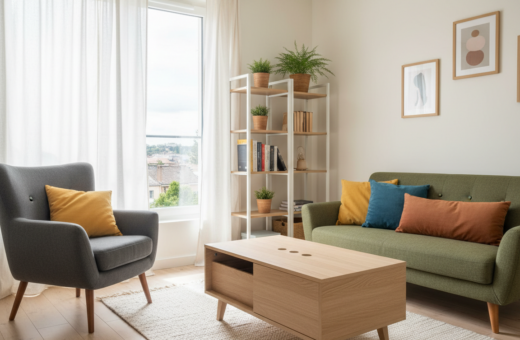
A thoughtful mix of adaptable pieces changes how people see their living areas. As urban costs rise, residents in the United States must rethink each square foot. This approach lets them expand usable space while keeping comfort and visual style.
Designers advise selecting high-quality items that serve clear roles. In small apartments, one versatile sofa or table can free floor area and increase daily use. The goal is a clean, calm home that adapts to changing needs.
When each piece earns its place, clutter fades and the living space feels larger. Choosing durable, well-made furniture maintains aesthetic appeal without sacrificing comfort or quality. Simple shifts in layout often create surprising gains in function and flow.
The Rise of Multifunctional Furniture for Remote Work
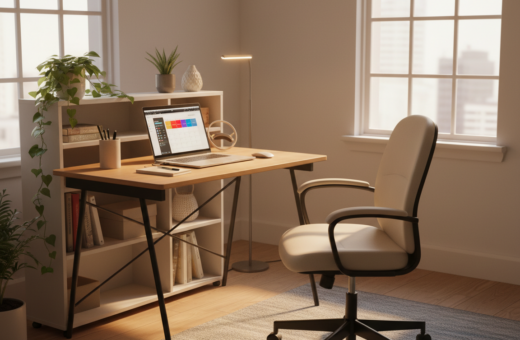
With business moving into living rooms, people need pieces that shift from productivity to relaxation in moments. The demand for multifunctional furniture for remote work has risen as hybrid schedules become standard.
Design trends now favor adaptable pieces that hide screens, cables, and accessories when the day ends. This keeps living areas calm and helps preserve a healthy work-life balance.
Industry reports and professional designers agree: the best home setups use items that change role quickly. Quality furniture supports focused tasks without taking over the room.
“The most effective at-home offices are those that disappear after hours,”
- Maintain a compact, dedicated zone that doesn’t dominate the living area.
- Choose pieces that convert from desk to dining surface when needed.
- Prioritize storage that conceals equipment at the end of the day.
Result: People gain flexible, efficient rooms that serve both professional needs and evening relaxation.
Why Modern Homes Require Flexible Design
City homes demand layouts that shift with daily life and family habits. Limited square footage and varied routines mean each room must do more than one job.
Urban Living Challenges
High real estate prices in cities like New York and San Francisco force residents to maximize every space. Smart design helps make small apartments feel larger and more functional.
Efficient use of space lets people host guests, eat, and focus on tasks without crowding. Thoughtful choices preserve both comfort and style.
Multi-generational Needs
Homes now house multiple generations under one roof. That creates shifting needs across the day—quiet corners for study, safe play areas for kids, and comfortable seating for elders.
Flexibility matters because adjustable pieces can be moved or reconfigured to create private areas within shared rooms. This preserves privacy and supports changing family routines.
- Adaptable pieces help households avoid costly moves.
- Creating distinct areas improves organization and daily flow.
- Good design balances function and lasting style in tight spaces.
Maximizing Productivity with Secretary Desks
A fold-down desk transforms an idle wall into a purposeful area for daily tasks. It gives a compact home office that disappears when the day ends, restoring open space in small rooms.
Benefits of Foldable Workstations
Space-saving design: A secretary desk keeps a useful table surface without taking up extra floor area. When closed, it frees room and keeps the living area tidy.
Integrated storage means papers, chargers, and pens have a place. These units offer drawers and cubbies that reduce clutter and improve daily use.
- The secretary desk creates a dedicated home office within a compact footprint.
- Foldable desks hide work materials at day’s end, keeping living rooms neat.
- Built-in storage keeps supplies organized so the area stays functional and calm.
- In small apartments, this table-style design often serves as the primary office solution.
Hidden Storage Solutions for Clutter-Free Living
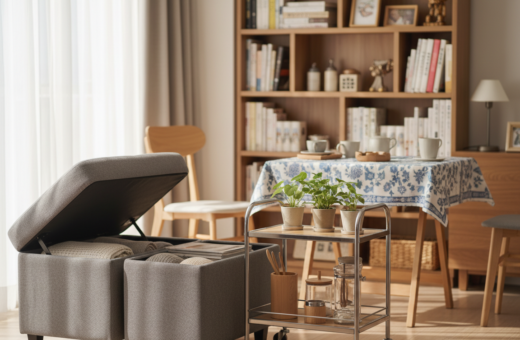
Clever hidden storage turns crowded rooms into calm, usable spaces. Storage ottomans offer a simple fix: they hold blankets, pillows, and toys while doubling as extra seating.
Using the space beneath a sofa or bed adds serious capacity without changing the layout. Under-sofa drawers keep documents and cables organized and out of sight.
Closed modular cabinets maintain a clean living look by hiding items behind doors. These storage solutions support a minimalist aesthetic and make daily upkeep easier.
When homeowners choose a sofa with built-in drawers, they store seasonal items or office supplies without visual clutter. This approach lets each living area remain tidy and functional.
- Incorporating hidden storage keeps spaces organized and reduces visual noise.
- Ottomans and under-sofa drawers double capacity without adding bulk.
- Dedicated hidden storage makes maintaining a clutter-free living room straightforward.
The Versatility of Lift-Top Coffee Tables
A lift-top coffee table converts a low centerpiece into a practical workstation without changing the room’s flow. It raises to a comfortable height so a sofa-side seat becomes a desk in a small living room.
Hidden storage beneath the top keeps remotes, magazines, and chargers out of sight. This storage preserves a tidy living room and reduces surface clutter.
Solid wood construction and durable mechanisms ensure stability during daily use. The top lifts smoothly, allowing a fast transition between dining and task surfaces.
“A lift-top table eliminates the need for a separate desk in tight spaces.”
- The lift-top coffee table is an essential piece that maximizes living area utility.
- Hidden storage helps keep the sofa area neat and organized.
- When raised, it serves as a secure workspace or dining surface without extra tables.
- Investing in quality construction improves long-term use and stability.
Reclaiming Floor Space with Murphy Beds
Raising a bed against the wall instantly returns valuable square footage to tight living areas. This change can unlock 25–30 square feet when a bed is stored upright.
Modern wall bed mechanisms make daily use safe and simple. They lift smoothly and lock into place so anyone can operate the unit without strain.
Wall Bed Mechanisms
High-quality mechanisms balance the mattress and frame so the movement feels effortless. Integrated springs or piston systems ensure the bed opens and closes reliably each day.
Guest Room Integration
Many Murphy beds include built-in cabinets and shelving to boost storage. This hidden storage keeps linens and personal items tucked away and the living area tidy.
- Installing a Murphy bed is one of the most effective ways to reclaim floor space in a small guest room or studio apartment.
- The bed folds away during the day so the area can host yoga, an office table, or guest seating.
- Quality units blend into room decor, providing cabinets and shelves that look like regular cabinetry.
Creating Zones with Bookshelf Dividers
Open shelving can split a single open-plan area into purposeful zones without heavy construction. A bookshelf divider defines a living room while keeping the space bright and airy.
Dual-sided access means both areas can use the same unit. This makes it easy to separate a casual seating area from a focused corner without closing the room off.
Many designs include drawers at the base to hide small items and add hidden storage. Shelves keep books and decor visible while lower compartments hide clutter.
- Bookshelf dividers create clear zones in a living room without blocking light.
- Choosing a unit with integrated drawers increases usable storage in tight areas.
- Dual access lets each side organize its books and objects while keeping an open feel to the room.
Ergonomic Seating for Compact Workspaces
Smartly scaled seating brings office-grade support into shared living spaces without crowding them. Compact ergonomic chairs offer lumbar support that matters during long hours at a desk. They keep posture steady and reduce back strain in small rooms.
Choosing Compact Ergonomic Chairs
Look for adjustable height and tilt so the seat meets the desk at the correct level. A small footprint helps the chair fit into tight room layouts and slide under the table when not in use.
- Health and productivity: Proper seating preserves focus during long desk sessions.
- Space efficiency: Compact designs tuck away to clear floor space in living rooms or shared rooms.
- Built-in storage compatibility: Choose chairs that pair well with nearby storage to keep supplies close and tidy.
Selecting the right chair is a simple, high-impact step toward a functional home office. Quality chairs support extended use while helping a small room stay organized and calm.
Utilizing Vertical Space for Home Offices
Turning walls into storage areas frees up floor space and sharpens a room’s purpose. Tall shelving and stacked cabinets give a home office plenty of places to keep files and supplies without crowding the floor.
Wall-mounted desks are a compact option that tucks a desk surface into the wall when not in use. They pair well with mounted drawer systems and desk organizers that keep the workspace tidy.
Tall bookcases use vertical space to hold binders, reference books, and boxes. This approach makes the room feel larger and easier to maintain.
“Use height to store more and clear the floor to make small rooms breathe.”
- Install wall-mounted shelving to increase storage without losing floor area.
- Choose a fold-down desk to keep a functional desk available yet out of sight.
- Integrate drawers and organizers into vertical units so essentials are within reach.
For more layout ideas to maximize a compact office, see small home office ideas.
Benefits of Solid Wood Construction
Solid wood pieces bring lasting strength that shows up in everyday use. They deliver quality and steady performance when parts move or bear weight.
Wood’s natural stability keeps mechanisms aligned. That means hinges, pistons, and slides operate smoothly over years. Buyers see fewer repairs and steadier performance in daily life.
Solid wood also makes repair and refinishing simple. Scratches and wear can be sanded and sealed so a piece looks new again. This repairability keeps the item useful across generations.
- Durability: Solid wood furniture resists frequent use and transformation.
- Stability: It supports moving parts and keeps storage systems reliable.
- Longevity: A well-made wooden piece is a lasting household investment.
Choosing solid wood reduces waste and saves money over time. It offers peace of mind that the storage capacity and construction will remain functional and attractive for years to come.
Layout Strategies for Small Apartments
A clear layout turns a small apartment into a series of purposeful, connected places. Good zoning lets one living area handle sleep, dining, and a daytime workspace without crowding the room.
Zoning Your Floor Plan
Define function: place a rug, shelf, or low table to mark a seating area. Use open shelving or a narrow bookcase to split a living room without blocking light.
Tip: keep pathways wide enough so people move easily between zones.
Furniture Placement
Floating a sofa away from the wall improves traffic flow and makes the area feel intentional. Position a small table near seating to serve as both dining surface and workspace.
Choose an expandable dining table that seats 4–6 during daily use and grows for guests. Add hidden storage drawers or ottomans so the room stays tidy.
Light and Mirrors
Maximizing natural light enlarges perception of space. Place mirrors opposite windows to reflect light and extend sightlines across the apartment.
“Bright rooms feel larger and invite more flexible use of area.”
- Zone the floor plan to create dedicated areas for different daily activities.
- Use mirrors and natural light to enhance the perceived size of the living room.
- Strategic placement of the sofa and tables improves flow and functionality.
- Expandable dining tables provide flexible seating without permanent bulk.
- Incorporate hidden storage solutions to keep small apartments organized.
Styling Your Multifunctional Living Space
A unified palette and intentional pieces make a small living room feel curated and calm.
Consistent wood tones across a dining table, side tables, and a sofa create a cohesive look that ties the room together. Matching finishes reduce visual clutter and help separate zones without heavy dividers.
Use color or rugs to define areas. A rug under the dining table marks the eating spot. A different rug by the sofa sets the lounge area. These simple moves organize the living space and guide daily flow.
Keep decor minimal. Choose a few purposeful accents that echo the main tone. Minimal accessories keep the room airy and make the office or guest area feel intentional.
Balance practical needs with personal taste. Pick pieces that match the overall theme and support daily use. This creates a stylish, functional room that serves dining, work, and relaxing without feeling crowded.
- Unify finishes to create cohesion between tables and seating.
- Define zones with color, rugs, and small accents.
- Choose minimal decor to keep the small living space inviting.
Sustainable Living Through Smart Furniture
Smart selections can shrink a household’s carbon footprint while improving daily life. Choosing pieces that last reduces the need to replace items often. That cuts energy used in production and lowers waste.
Opting for durable sofa options and solid materials like reclaimed wood supports greener design. Many makers now favor eco-friendly materials and low-VOC finishes. These choices protect indoor air and the wider environment.
Small changes add up: a single long-lasting sofa or a compact set of convertible items reduces the number of pieces a household must buy. That lowers manufacturing demand and preserves resources.
- Reduced waste: durable choices mean fewer replacements over time.
- Lower impact: reclaimed wood and eco materials cut energy use in production.
- Efficient use: versatile design helps rooms serve multiple needs without clutter.
By investing in quality furniture and mindful style, a home becomes both more efficient and kinder to the planet.
Future Trends in Adaptive Interior Design
Adaptive interior design now blends sensors, modular systems, and custom fabrication to meet changing needs. Smart ports, LED task lighting, and wireless charging will appear built into everyday pieces.
Modular units that can be reassembled into new layouts will make small living areas more useful across the day. Homeowners will swap panels and modules rather than replace whole pieces.
AI-driven design and 3D printing promise personalized, eco-conscious solutions. These tools let makers tailor size and style to a specific home footprint and reduce waste.
- Evolutionary furniture: pieces that grow and shift as household needs change.
- Smart integration: built-in Bluetooth speakers, USB and wireless charging enhance both work and leisure.
- Modular flexibility: reconfigurable components extend the life and use of each item.
- Personalized design: AI and on-demand manufacturing deliver fits that match unique living plans.
“The most resilient homes are those that change with the people who live in them.”
Staying ahead of these trends helps keep a living space modern, functional, and aligned with personal style and long-term flexibility.
Essential Tips for Measuring Your Space
Accurate measurements prevent costly mistakes when adding a new table or storage piece to a living area. Measure room length, width, and doorways first so deliveries fit and items move easily into place.
Account for each item’s full range. Check a table in both closed and extended positions. Allow clearance for drawers and doors so they open fully during daily use.
- Measure room dimensions and door openings before purchasing tables or shelves.
- Plan space for drawers and cabinet doors to ensure functional use without blocking traffic.
- Map traffic flow to avoid overcrowding and keep the living area comfortable.
- List must-have functions to prioritize quality pieces that solve real needs in small apartments.
- Double-check measurements to ensure chosen solutions fit and perform as expected.
Tip: sketch a simple floor plan to test how tables and other pieces will sit in the space. This small step improves design choices and protects the long-term quality of the room.
Conclusion
Conclusion
Thoughtful choices let a home adapt to daily shifts while keeping comfort intact. By choosing well-made pieces, they expand usable space without sacrificing quality or style.
Well-crafted items create a living space that feels intentional and uncluttered. Smart design lets rooms host professional tasks and evening life with equal ease.
Investing in solid options ensures the home meets changing needs for years to come. Learn more about practical, space-saving solutions at multifunctional furniture for small homes.