Compact living changes how people think about a room. In an apartment, every wall and floor inch must pull double duty. Resource Furniture shows how making pieces work harder keeps a home calm and useful.
Decluttering is more than tidying; it is a deliberate way to shape daily life. Choosing built-in options that tuck items away beats open shelving for keeping clutter out of sight. This approach preserves the look of living spaces while giving practical solutions for daily needs.
When a bed, table, or cabinet acts as more than a single item, people gain real freedom in their space. Thoughtful choices help maintain order and make rooms feel larger. The right mix of design and function is a simple path to a comfortable, efficient home.
The Limitations of Traditional Shelving in Compact Homes
In compact homes, traditional shelving often creates as many problems as it solves. Open racks can amplify visual clutter and make a room feel tighter than its actual size.
Aesthetics and organization rarely align when every item must stay visible. This forces residents to choose between display and order, which undermines a calm living area.
Many classic shelving ideas fail to use vertical zones efficiently. Shelves leave awkward gaps and miss chances to convert plain walls into practical zones.
“When shelving isn’t planned, it becomes the clutter focal point rather than a cure.”
- Open shelving often increases perceived clutter rather than reducing it.
- Standard units rarely consider tight floor plans and vertical potential.
- Relying only on exposed shelves forces display of every item, disrupting calm.
Architects such as Rachel Robinson note that well-curated, integrated solutions deliver better results. Moving beyond basic shelving helps create balanced, inviting spaces that feel larger and more organized.
Why Hidden Storage Furniture for Small Apartments Outperforms Open Shelves
Cleverly designed beds and sofas let a room perform multiple roles without crowding the floor. In tight layouts, choosing integrated pieces beats open shelving by hiding bulk and improving flow.
Sofa Wall Beds
The Swing Chaise from Resource Furniture pairs a 9’ sectional sofa with a deep bed storage compartment under the seat. It gives a living room instant seating and a tucked-away bed solution.
Bed Storage Solutions
A queen-sized bed typically occupies about 33 square feet. Selecting a queen with built-in compartments reclaims that space and reduces the need for extra bins.
Practical result: when the bed is folded away, bulky items stay out of sight and the room becomes usable for daytime activities.
- Maximizes floor area and keeps the home tidy.
- Helps the living room convert into a bedroom without visible clutter.
- Ensures each item has a designated place, simplifying organization.
Maximizing Vertical Space Without Visual Clutter
Think vertically: using wall height turns tight rooms into functional, airy places.
Building up, not out borrows a city strategy. It converts full walls into usable zones without stealing floor space. Modular closet systems can blend into the wall and create an extra closet where none existed.
Ceiling-high shelving keeps items off the floor and out of sight. Baskets and drawers inside those units hide small things and keep the room calm.
Mounting a shelf above a door is a simple trick to use forgotten vertical areas. Customizable shelving systems adapt as needs change and maintain a clean, minimalist look.
- Maximize floor space by choosing tall, shallow units that fit corners and narrow walls.
- Use baskets and drawers to organize items and reduce visible clutter.
- Integrate concealed compartments within wall panels to keep living spaces tidy.
Result: thoughtful vertical planning increases usable room area and preserves an uncluttered aesthetic across living spaces.
The Versatility of Convertible Furniture
Convertible pieces let a single room shift roles in seconds, turning daily needs into smart design.
Revolving wall beds transform how a wall is used. The LGM revolving wall bed rotates 180 degrees to reveal a queen bed on one side and a library on the other. This design swaps sleep and study zones without moving any items.
Revolving Wall Beds
Quick change: a rotating unit lets a living wall become a private bedroom in moments. It saves floor space and keeps the room tidy.
Transforming Tables
Telescoping tables expand from a slim console into a 116″ banquet table. During the day it acts as a coffee table and at night it hosts guests.
Fold-Down Desks
Fold-down desks create a focused work area that vanishes when done. They help a home adapt without permanent bulk.
- Versatile use: convert a single zone to meet changing needs.
- Efficient floor space: fewer fixed pieces keeps living areas open.
- Smart investment: quality pieces maintain order and prolong usefulness.
Utilizing Narrow Cabinets for Tight Hallways
Narrow cabinets turn a cramped hallway into an organized entryway without stealing valuable floor room. They work well in modern apartment layouts where every inch of space matters.
IKEA Ställ shoe cabinets are a practical example. Their slim profile fits narrow footprints and removes shoes and daily items from sight.
Low cabinets add flexibility. Choose drawers, closed doors, or shallow shelving to keep belongings out of sight and reduce visual clutter.
- Ideal solution: narrow cabinets clear hallways while keeping essentials organized.
- Design fit: modular units pair with shelving and other solutions to keep a cohesive look.
- Practical result: an entryway free of piles and easy to maintain.
“Slender cabinets can change a corridor from a pass-through into a tidy, purposeful zone.”
Concealing Storage with Decorative Curtains
A simple curtain can turn an exposed shelving run into an elegant backdrop that tucks away daily clutter. This is an easy, cost-effective way to make a room feel calmer and more edited.
Designer Sara Jazayeri used remote-controlled roller shades to partition a reading room and hide shelves from view. The shades glide down to mask a full wall of books and media, then lift at the touch of a button.
Remote-controlled roller shades are a high-end, practical solution. They create a clean division between zones and keep items out of sight without permanent changes.
Curtains also work well by a bathroom vanity or living-area shelving. Covering wall storage with fabric is a chic way to conceal towels and bulky items while keeping a minimalist aesthetic.
“Using curtains to cover shelves is a clever way to hide clutter and make your room feel more organized and chic.”
- Quick disguise: curtains hide clutter and make surfaces look tidy.
- Flexible partition: shades can divide a space without building walls.
- Bathroom-friendly: fabric panels conceal towels and supplies neatly.
Implementing Customizable Storage Systems
Custom systems let an entryway behave like a purpose-built closet, tuned to daily routines.
The Entryway Collection from Resource Furniture combines modular cabinetry, adjustable shelves, and LED lighting. It even offers air purifiers to keep a hallway fresh while organizing shoes and outerwear.
Residents can add pull-out shoe racks, belt racks, and hanging hooks as needed. These accessories make commonly used items easy to reach and reduce morning clutter.
Stackable bins and baskets help sort seasonal gear. Use labeled bins to separate scarves, hats, and other items so everything has its place.
- Adjustable drawers let the system grow with changing needs.
- Shallow shelves provide quick access without sacrificing floor space.
- Built-in solutions cut the need for makeshift containers and keep an entryway polished.
Result: a customizable system streamlines routines and makes every inch count in a modern apartment.
The Role of Multi-Purpose Seating
Seating that stores items blends comfort with clever organization in modern homes. These pieces turn common seating into purposeful zones that tidy living areas and add function without fuss.
Storage Benches
Storage benches are a stealthy way to keep clutter at bay. They hold seasonal clothing and spare bed linens while offering a welcoming place to sit.
Place a bench at the foot of a bed or in an entryway to create a tidy spot to dress or remove shoes. Drawers or lift lids make access simple and fast.
Lift-Top Ottomans
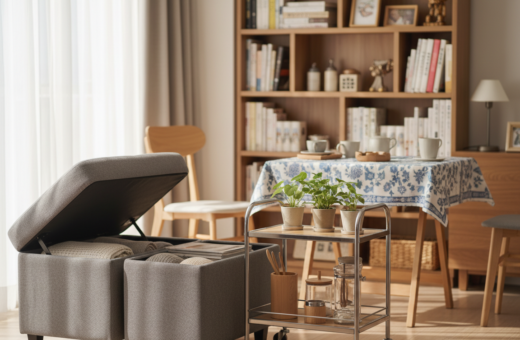
Lift-top ottomans provide dynamic seating and a tucked compartment for blankets and books. They also double as a coffee surface when needed.
Practical tip: choose an ottoman with internal dividers or a removable tray to keep items organized and easy to reach.
- Multi-purpose seating hides items while providing comfortable seating.
- These pieces suit an apartment where every inch of space matters.
- Use drawers or hidden compartments to store blankets, books, and other daily items.
- They keep a room neat and add a stylish, functional place to sit.
Creative Use of Hooks and Wall Rails
A simple row of hooks can transform an idle wall into a daily command center.
Hooks and wall rails keep counters clear in the kitchen and bathroom. They let people hang towels, utensils, and often bulky gear like skis to free up valuable floor space.
The YouTuber Alexandra Gater used wall hooks to store her partner’s skis on the wall rather than leaning them against the floor. This trick saves room and keeps the entry path open.
Renter-friendly rails are ideal when permanent installs are off the table. Adding hanging baskets makes small essentials easy to reach while keeping surfaces neat.
“Hooks and rails ensure every item has a designated place and reduce daily clutter.”
- They work well in an entryway for bags and keys.
- They clear counters and create usable zones in the kitchen and bathroom.
- Rails with baskets keep frequently used items visible but organized.
Dividing Studio Spaces with Functional Furniture
Functional pieces can carve clear zones in a studio, turning one open plan into several useful rooms. This approach makes each part feel intentional and calm.
Architect Rachel Robinson reworked a 350-square-foot apartment in New York City and used clever layouts to define a living zone and a sleeping zone. She placed shelving and a bookshelf to act as a soft wall without building anything permanent.
Use a bookshelf as a room divider to add both privacy and extra storage. A freestanding unit gives display space on one side and a shielded bedroom on the other.
“Dividing a studio with purposeful pieces keeps the plan open while giving each area a clear role.”
- Open shelving can mark a boundary and keep items organized.
- Modular units avoid permanent changes and protect privacy in the bedroom area.
- These solutions balance function and light, making a home feel larger.
Optimizing Closet and Wardrobe Interiors
A compact closet that uses clever fittings can feel twice as large. Thoughtful interiors make daily routines faster and reduce morning clutter.
Slim hangers free up hanging room and keep garments aligned. Adding a second rod doubles hanging capacity for shirts and shorter pieces.
Slim Hangers and Stackable Bins
Stackable clear bins make it easy to spot what is inside and keep seasonal items tucked neatly on a shelf. Use one row of labeled bins for towels and another for extra shoe care or off-season gear.
Install hooks on the back of the door to park belts, scarves, and necklaces. This keeps accessories visible but out of the way and preserves cabinet and shelf space.
“An organized closet is the simplest upgrade to daily comfort.”
- Use slim hangers and a second rod to double hanging capacity.
- Choose clear bins to identify items quickly.
- Add door hooks and a low shoe shelf to keep floors tidy.
- Consider IKEA PAX modules to compartmentalize and access clothes with ease.
Result: a well-configured closet saves time, protects garments, and keeps the bedroom and bathroom areas calm and neat.
Leveraging Under-Bed and Under-Couch Storage
Underneath sofas and beds lies unused potential that can tidy rooms without adding bulk.
Under-bed and under-couch solutions let people keep everyday zones uncluttered while keeping items within reach. Use low-profile bins or shallow drawers to slide away blankets, board games, and extra linens.
Under-Bed and Under-Couch Storage
Practical ideas make the space below a bed or couch a real asset. Low bins on wheels or flat drawers maximize capacity and fit under most platforms.
- Leverage the area under a bed or couch to keep a bedroom tidy and free of piles.
- Use low-profile bins or drawers to store seasonal items, board games, and spare linens.
- These hidden solutions keep living areas clear while items remain easy to access.
- By using under-furniture zones you increase storage capacity without adding new pieces to the room.
Whether holding kitchen extras or bedding, these ideas suit an apartment that needs every inch to work harder. For more practical tips and a few product examples, see these under-bed organization ideas: under-bed organization ideas.
“Adding flat drawers or rolling bins under a bed is one of the simplest, most effective solutions to keep a room orderly.”
Result: thoughtful use of under-bed and under-couch areas turns wasted voids into neat, functional spaces that improve daily routines and room flow.
Incorporating Corner Shelving Units
A well-placed corner shelf turns a neglected angle into a practical design feature.
Corner shelving makes efficient use of wasted wall space in bathrooms or living rooms. It holds books, plants, or skincare items without crowding the layout.
These units add extra storage to a bedroom or living area while keeping the floor clear. Place one near a bed or behind a door to keep shoes and small items organized and off the floor.
- Use floating corner shelves to create a balanced, intentional look.
- Keep shoes tucked on low tiers and decorative items higher up.
- Install a corner unit behind a door for discreet, hidden storage.
Result: corner shelving is one of the most effective ideas small homeowners can use to maximize space and maintain a tidy, well-designed home.
The Efficiency of Rolling Carts and Turntables
A slim cart or a spinning tray can turn cluttered cabinets into orderly, accessible zones. These mobile tools save time and make daily routines smoother.
Lazy Susans make deep cabinets easier to manage. A single spin brings spices, oils, or skincare items into view without moving other products.
Slim rolling carts slide between appliances or tuck beside a desk. They create an extra place to keep snacks, cleaning bins, or charging stations and move where needed.
“A rolling cart turns unused gaps into a reliable, flexible zone.”
- They keep counters clear by giving daily essentials a designated place.
- Use turntables to reach items in the back of a cabinet without digging.
- Slim carts add mobile space and work well in kitchens and bathrooms.
- Baskets and bins on a cart organize towels, coffee supplies, and toiletries.
Result: these simple tools maximize cabinet area and reduce time spent searching. In tight living areas, they help every inch pull its weight and make routines faster and neater.
Designing for a Minimalist Aesthetic
Mirrors and pale palettes expand sightlines and make a studio feel bright and calm.
Keep the home tidy by choosing pieces that serve a clear purpose. A single well-made bed and a few select accessories reduce clutter and lift the overall design.
Raised legs on sofas and chairs reveal more floor and create the sense of open space. Wall-mounted shelves keep the kitchen and living areas organized without bulky storage units.
Use bins to group items behind closed doors so surfaces stay clear. Select two or three quality pieces rather than many cheap ones; this is the simplest way to maintain a peaceful room.
“A minimalist design focuses on quality over quantity and makes daily life easier.”
- Choose multi-use pieces that look good and work hard.
- Place mirrors to reflect light and widen sightlines.
- Keep decor minimal and functional to protect calm and order.
Conclusion
Simple updates to layout and pieces make a living space work much harder.
Small changes in organization improve daily comfort and efficiency. By choosing the right furniture, a person can shape a functional and stylish home that fits how they live.
Implementing practical storage ideas and focused design choices keeps a room tidy without losing personality. Start with one area, test a solution, and build on the wins.
Every inch can serve a purpose when planning with care. For more practical tips and examples, see these hidden storage hacks and adapt what works.