Burnout can creep up when a small living space doubles as an office. They notice fatigue, blurred hours, and a shrinking sense of rest. This introduction explains practical steps that helped one person reclaim daily rhythm.
Most professionals spend a lot of time managing tasks at home. They set clear rituals that mark the start and end of each day. Small gestures—like shutting a laptop—create real separation.
The guide that follows shares compact, practical tips for staying productive without surrendering personal space. It focuses on routines, simple setup changes, and small signals that protect personal hours.
Readers will learn how to protect rest and restore a steady life balance. The aim is to make living and working coexist with less strain and more calm.
Understanding the Challenges of Remote Work in Small Spaces
Tight floor plans can turn a professional corner into a constant reminder of unfinished tasks. Many people find that working from a compact home creates a cluttered environment where the office feels intrusive.
Shared rooms and limited square footage make it hard for people to focus. Modern apartment living often means juggling household needs and tasks in the same place. That overlap erodes calm and reduces productivity.
Today, demand for flexible homes has created new opportunities for residents. Designers and purpose-built communities now offer floor plans and shared amenities that ease this strain.
- A one bedroom + den layout often serves as the ideal office room to separate roles.
- Shared buildings add communal zones that help with focused work and social needs.
- Smarter layouts give residents more control over their environment and more opportunities to recharge.
Strategies for Achieving Work Life Balance in Studio Apartment Living
Clear signals and simple setups help people stop their professional duties from spilling into personal hours. Small, repeatable steps protect evenings and create a more restful home.
Defining Physical Boundaries
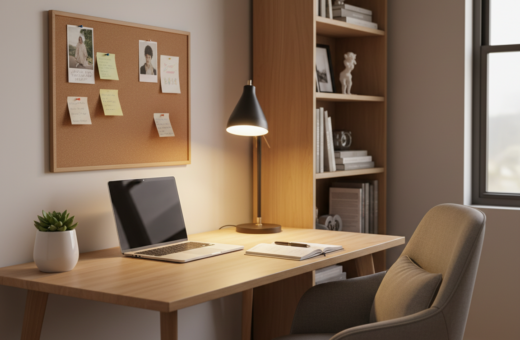
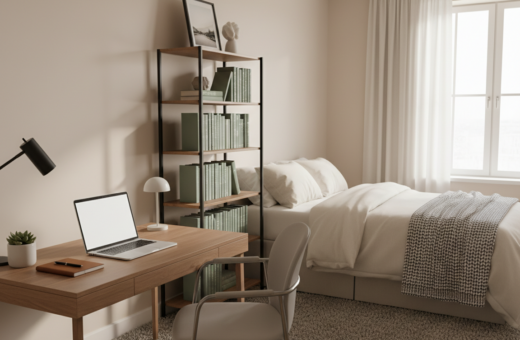
They should pick a dedicated desk or table and keep tools there. A fixed spot makes it easier to close a chapter at the end of the day.
Use a room divider, rug, or shelving to mark the work corner. Visual cues speed the transition from tasks to personal time for the whole family.
Managing Digital Distractions
Set clear hours for emails and calls and stick to them. Timers and app limits reduce interruptions and help protect free time.
Adopt a simple end-of-day routine: shut devices, log tasks for tomorrow, and walk away. These small tips rebuild life balance and improve daily routine.
- Routine: Start and stop at set times.
- Boundaries: A dedicated spot keeps tasks out of relaxation areas.
- Limits: Timers curb digital drift and preserve personal hours.
Designing a Dedicated Workspace for Maximum Productivity
Smart furniture choices turn a tight nook into a high-performing workstation. Selecting pieces that serve multiple purposes makes the most of limited room and keeps daily tasks tidy.
Choosing the Right Furniture for Compact Areas
Pick a foldable desk or compact table that tucks away when not needed. A slim desk with storage or a wall-mounted surface saves floor area and creates a clear office spot.
Modern apartments often include alcoves or nooks that are ideal for this purpose. Turning a corner into a designated place reduces clutter and boosts focus.
“A tidy desk frees the mind,”
- Use multi-purpose furniture to save room and serve daily needs.
- Keep cables and supplies organized to protect energy and attention.
- Choose a single, consistent table or desk to help mentally switch off at day’s end.
Establishing Daily Rituals to Separate Professional and Personal Time
A short set of repeatable steps can mark the end of desktop tasks and protect personal hours.
Start the day with a clear opening ritual. Simple acts—lighting a lamp, placing a notebook on the desk, or moving a small plant—signal the brain to begin focused effort.
University of Melbourne research shows indoor plants improve air quality, so placing one near the desk boosts the environment and calm. Regular breaks every few hours restore energy and reduce fatigue.
End-of-day routines are essential. Close the laptop, log tomorrow’s tasks, and perform a short digital wind-down to disconnect. These routines set firm boundaries so home remains a place for rest.
- Use a single ritual to mark the start and the end of the day.
- Take short breaks to reset focus and preserve work-life balance.
- Keep boundaries clear: step away from the desk at a set time.
“Small rituals create big changes in how time is felt,”
Leveraging Apartment Amenities to Boost Energy and Wellbeing
On-site amenities can turn short breaks into meaningful resets that recharge focus and mood. These features help residents use their time more efficiently and protect personal hours.
Utilizing On-site Fitness Centers
A quick 30-minute workout at the building gym fits easily into a lunch hour. Short sessions boost the body and clear the mind, making the afternoon more productive.
Accessing Outdoor Green Spaces
Shared courtyards and rooftop gardens offer fresh air and gentle movement between tasks. A ten-minute walk around green spaces restores energy and improves health.
Benefits of On-call Maintenance
On-demand repair services remove stress over broken appliances and household fixes. When residents don’t spend time on minor issues, they regain minutes for rest and better routines.
Small features add up: communal fitness, outdoor areas, and reliable maintenance all support a sustainable work-life balance and a healthier lifestyle for those doing remote work.
For more on how communal design shapes social routines, see social interaction at the scale of the.
The Role of Community and Social Connection in Preventing Burnout
Joining building activities gives residents quick ways to recharge and feel supported. Social contact with other people reduces the risk of burnout by sharing stress and offering perspective.
Group classes and casual events let residents move their body, lift mood, and protect overall health. Short fitness sessions and meetups help keep a steady work-life balance while working from home.
Strong ties with neighbors create a safety net. A quick check-in from a neighbor or friend can reset the day and reinforce personal boundaries with family and those nearby.
“Social connection is a practical shield against long-term fatigue,”
- Attend a class or building event to boost energy and social support.
- Share routines with friendly neighbors to preserve your precious time.
- Set clear boundaries so professional hours remain protected.
Sustainable Living Practices for a Healthier Home Environment
Energy-smart design and community features make modern living more sustainable and healthier.
Modern communities such as Indi Southbank and Indi Footscray now include EV charging points to support greener transportation. These features help residents reduce emissions and lower monthly costs.
High-performance ratings matter. A 7-Star NatHERS energy score means the home stays comfortable with less heating and cooling. That creates a more consistent environment for daily tasks and personal rest.
Appliances that use less energy cut utility bills and free up budget for other needs. Energy-efficient models also reduce noise and heat, improving indoor health and overall comfort.
- 5-Star Green Star Design signals environmental excellence and better air quality.
- EV chargers and smart meters give residents practical tools to use energy wisely.
- Choosing these features creates opportunities to support a sustainable lifestyle today.
“Selecting a home that aligns with your values delivers tangible benefits for health and budget.”
For a practical look at eco-friendly living and tips to create a healthier home, see this eco apartment tour.
Conclusion
Simple spatial cues and short routines help preserve energy and restore calm after tasks.
Start small, by choosing a clear desk spot and a short end-of-day ritual. These modest changes create a meaningful separation between professional hours and personal time.
Use building amenities and neighbor networks to recharge. Regular movement, social contact, and energy-smart home choices all support wellbeing and reduce burnout.
With intentional design and steady rituals, the home can become a true foundation for rest and focus. Begin today with one habit and build from there; small steps add up fast.