Remote life has blurred the lines between leisure and labor. Recent data show 35% of people still spend full time at a remote desk, and that shift has real consequences for daily focus.
When one is working home, routine becomes a key tool. A clear schedule helps signal intent to roommates and to the self. Without it, the small interruptions of apartment life add up.
Noise and casual traffic through common areas can derail output fast. People who lack a dedicated spot report lower productivity and more stress.
Establishing boundaries, creating a short day structure, and setting agreed quiet periods can restore balance. These steps make both work and home feel distinct again, improving output and quality of life.
Designing an Effective Workspace
A well-designed workspace turns small habits into steady focus. Thoughtful layout, the right furniture, and light make a big difference for anyone trying to balance life and work at home.
Essential Office Equipment
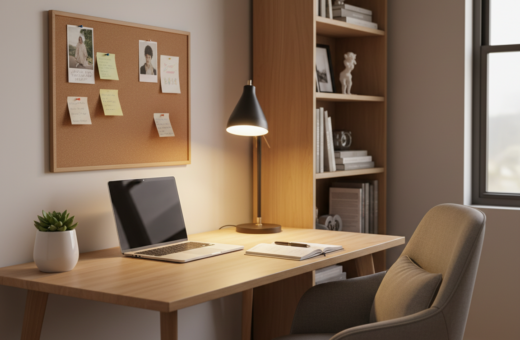
Invest in a sturdy desk or a standing unit to create a professional setup. An ergonomic chair supports the back during long sessions and reduces fatigue.
- Keep the table clear of clutter so the space feels roomy and calm.
- Choose a desk that fits the room and allows easy movement.
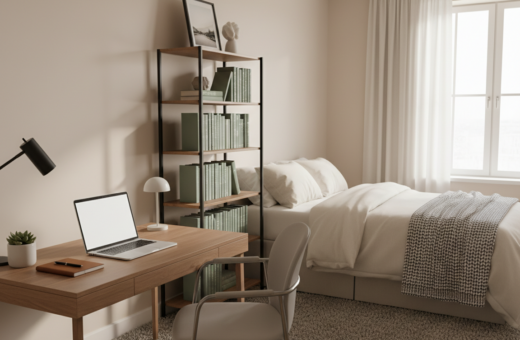
- If a full room isn’t available, pick one place in the apartment reserved for work only.
Leveraging Natural Light
Place the desk near a window when possible. Blue light from the sun helps regulate the body clock and improves focus.
Positioning a desk to maximize daylight brightens the office and supports steady energy through the day.
Establishing a Productive Routine
A repeatable morning pattern helps people switch roles quickly and stay productive all day. Starting with small chores or a quick workout signals the brain that work time has begun.
Employers can save up to $11,000 a year for each employee who spends part of their schedule remote, which explains why many teams adopt permanent hybrid and remote models. That economic shift makes a clear routine essential.
- Set strict hours and share them with colleagues so expectations stay professional.
- Take lunch away from the desk—grab coffee or step outside to recharge energy.
- Plan short breaks and return ready to focus; this prevents household tasks from spilling into work hours.
Being intentional about a daily plan helps maintain an office mindset while living at home. A simple schedule keeps the desk area for tasks and preserves time for rest.
Managing Noise and Distractions
Small sounds often become the biggest obstacles to sustained focus. When people try working home, simple audio strategies can protect time and lift productivity.
Curating Focus-Friendly Audio
Invest in quality noise-canceling headphones to block barking dogs, sirens, and other interruptions during video calls and meetings. They also improve the clarity of your own audio during important video conferencing.
On a budget, $2 drugstore earplugs offer a surprisingly effective barrier. They can buy quiet minutes when deep work is needed.
Choose instrumental or classical music for long tasks; lyrics often tug attention away from the task at hand.
- Tell roommates your meeting schedule so they can avoid loud chores during calls.
- Use headphones to create a private space when others are noisy.
- Make short routine signals—like closing a door or a calendar alert—to mark focused work time.
Managing noise is one of the simplest tips to improve daily output. Small tools and clear communication keep the room calm and make meetings smoother.
Navigating Communication While Working from Home in a Shared Apartment
Clear communication makes a noisy living situation far easier to manage. Teams and housemates both rely on predictable hours, so the first step is stating availability for the day.
Setting Realistic Expectations
Agree on core hours when calls or focused tasks are off limits. Keep requests short and specific so others can plan chores or breaks around those times.
Using Shared Calendars
Use a shared calendar to mark meetings and quiet-room needs. Check it before booking video calls to avoid clashes over the table or room.
- Block recurring meeting times to reduce last-minute conflicts.
- Color-code entries so everyone sees busy hours at a glance.
- Plan lunch or coffee breaks together to balance social needs and focus.
Digital Etiquette
Encourage DMs for non-urgent things and reserve announcements for a group note. When someone is on a call, using headphones and a quick “do not disturb” signal keeps interruptions low.
For a practical how-to, see the guide to working with housemates.
Setting Boundaries for Shared Resources
Defining who uses what and when reduces surprise interruptions before an important meeting. Clear boundaries lower stress and help everyone keep to their schedule.
Agree on a simple schedule for common space and gear. Assign time blocks for the kitchen table, printer, or an extra desk so roommates know when the room is free.
- Keep personal things in a labeled place to avoid frantic searches before calls.
- Respect the best work zones; don’t hog outlets or light near a window.
- Set firm hours when interruptions are off limits for focused work.
Boundaries are practical, not petty. They let every person in the house protect their place and meet their needs. For a practical guide to negotiating rules and keeping peace, see roommate harmony.
Prioritizing Social Needs and Mental Health
Small, intentional moments with others can protect mental energy across the day.
Schedule social time outside core work hours so family and friends remain part of daily life. Blocking a few weekly evenings or a lunch break helps people recharge and preserves personal connections.
When isolation grows, encourage simple ways to connect. Attend an online meetup or take a walk during lunch to meet others and reset focus.
Living with roommates can strain patience. Plan intentional activities like cooking or TV nights to keep the house calm and friendly.
Make sure to check in on a roommate regularly. A short check-in can ease shared stress and build support for the whole household.
Finally, balance social time with brief solo rituals. Listening to a podcast in the morning or taking five minutes alone between tasks refreshes attention and improves overall life balance.
Conclusion
A brief end-of-day routine makes transitions smoother and reduces stress.
Consistent communication, a simple schedule, and a dedicated spot help anyone succeed while working home. Clear rules for meetings and shared time cut interruptions and protect focus.
Apply small habits: set a start and stop time, mark meetings on a shared calendar, and keep a tidy desk. These steps make work home life calmer and more productive.
Triple Crown Corporation supports professionals seeking an apartment that fits a modern routine. Balance professional demands and personal life to thrive long term.