The modern small apartment can be a high-performing office. It only needs precise design and the right pieces to turn a tight floor plan into an efficient room for work and rest.
Lapalma’s ADD System shows how geometry can shape zones while keeping sightlines open. The Brunch Desk keeps cables hidden and preserves a clean, professional look in compact layouts.
Plus Sofa modules make seating flexible so a resident can shift into a U-shaped cluster for team chats or solo focus. Every element must serve two roles: storage and function.
Smart systems and vertical shelving clear the floor and make even tiny studios feel roomy. Built-in power outlets, cable routing, and movable panels create privacy and support collaboration without clutter.
This introduction previews real, usable solutions that help people work better from home while keeping a comfortable living space.
The Benefits of Modular Furniture Workspace Ideas
A tidy, adaptable setup helps people switch from deep focus to group work in seconds. As of May 15, 2025, industry reports show that this clean office aesthetic is central to modern office design.
Clear advantages include flexible workstations that move with the day. Ergonomic office furniture supports health and comfort while preserving a minimal look.
Teams gain from spaces that can become private focus zones or open collaboration areas without costly retrofits.
- Seamless shifts between solo focus and team meetings.
- Seating clusters for informal catch-ups that don’t create visual clutter.
- Efficient use of every square foot for higher productivity.
- Higher satisfaction when people personalize their immediate areas.
“Flexible systems let small plans behave like large offices—supporting communication and innovation across teams.”
Assessing Your Tiny Apartment Layout
Begin your layout audit with a simple walk-through that notes where light falls and sightlines run. This quick review reveals which pieces block natural light and which areas feel cramped.
Analyzing Sightlines
Look from window to entry and through the room. Move bulky items and test sightlines to keep the main path bright and open.
Tip: Position desks and storage so they do not cut off the route of daylight.
“Vishnu Sharma notes that modular furniture allows for scaling space efficiently as team size or specific task requirements evolve over time.”
Maximizing Vertical Space
Think up, not out. Install shelving, wall cabinets, and hooks to free the floor and keep supplies organized.
Benefits:
- Clearer floor plan and easier movement.
- Distinct zones for work and rest using panels or tall storage.
- Better use of every wall to support daily goals.
Selecting Versatile Workstations
Choose workstations that bend to your routine, not the other way around. The Brunch Desk is a strong example: it offers height adjustment that supports posture changes throughout the day.
Why height matters: standing and sitting help reduce fatigue and boost focus. A height-adjustable desk becomes a primary office piece that suits both individual tasks and quick team huddles.
Choosing Height-Adjustable Options
Practical features make a big difference in tight plans. Look for integrated cable management, built-in power outlets, and attachable privacy panels.
- Switch between sitting and standing to protect posture over the day.
- Use benches and tables that can be moved for different layouts.
- Keep the desk surface clear with cable routing and power integration.
- Attach panels when a sense of privacy or acoustic dampening is needed.
Placement tip: plan desk location so the floor remains open for movement and alternate seating. This helps the room adapt as tasks shift.
Integrating Smart Storage Solutions
Thoughtful storage choices keep essentials within reach while hiding distractions. This helps a tiny apartment feel calm and productive.
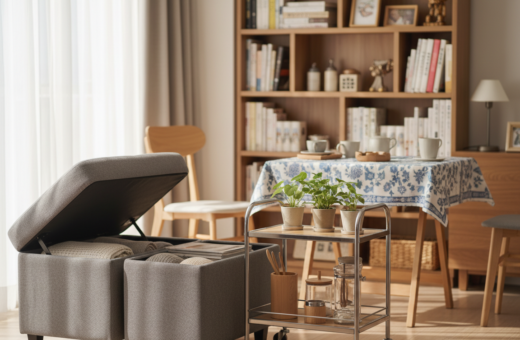
Smart storage solutions keep the room tidy by storing supplies out of sight. Under-desk drawers, wall-mounted shelving, and compact cabinets free floor area and preserve sightlines.
Practical features matter: desks with built-in drawers save time. Dedicated ports for charging devices keep cables tidy and gadgets ready.
- Choose storage systems that can be rearranged as needs change.
- Use wall shelves to store books and documents without losing floor space.
- Invest in durable furniture so pieces stay useful and stylish for years.
“A well-organized desk is the foundation of a productive office.”
For specific shelving approaches that fit small plans, see the modular office shelving guide. These strategies keep the desk clear and help people focus all day.
Creating Privacy with Movable Partitions
Movable partitions let a small apartment split into private nooks without heavy construction. They help people protect concentration while keeping the room bright and flexible.
Acoustic Benefits
Acoustic panels reduce background noise and improve call clarity. In a tight layout, this creates a more professional office feel and helps people hold video meetings without distraction.
Light-Filtering Materials
Choose panels that filter light rather than block it. Translucent fabrics and perforated composites keep the floor and work areas airy while preserving privacy for focused tasks.
- Flexible zoning: move panels to form areas for calls, deep focus, or team huddles.
- Quick reconfiguration: partitions shift with a changing schedule or layout.
- Balanced light: light-filtering materials maintain brightness and reduce glare.
Practical tip: mark privacy zones on your floor plan before placing panels. This saves time and ensures the system supports daily routines.
Optimizing Seating for Flexibility
Flexible seats and benches create zones that support concentration, collaboration, and comfort.
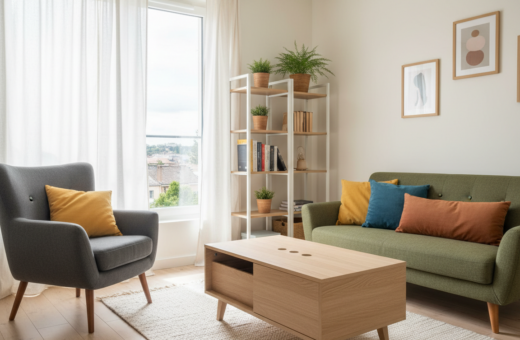
The Plus Sofa exemplifies how a sectional can shift from a lounge cluster to a meeting hub. It connects and separates into different arrangements so a small room serves many purposes.
Using stackable chairs and foldable benches helps clear the floor fast when a team needs space for a workshop. Adjustable height chairs and stools make sure people of different sizes can sit comfortably at tables and desks throughout the day.
Comfortable seating is a major driver of productivity. Choosing durable pieces that suit varied layouts saves time and money over the long run.
- Select seating that can be reconfigured daily to fit changing work and social needs.
- Mix benches, chairs, and small tables to create distinct areas without walls.
- Plan placements so traffic flows and sightlines stay open while seating supports focus.
“Seating that adapts lets a small apartment behave like a full office, supporting both solo work and quick team gatherings.”
Incorporating Tech-Integrated Furniture
Integrating power directly into workstations keeps focus steady and clutter minimal. This approach pairs smart storage with built-in outlets so devices stay charged and the room looks tidy.
Good cable systems route cords under desks and inside panels. These systems reduce tangles and protect equipment. A clean desk surface makes long work sessions easier.
H3: Built-in Power Ports
Desks and tables with integrated outlets cut the need for extension cords. Built-in USB and AC ports make shared workstations more reliable. Privacy panels with outlets help multiple people use the same area without crowding.
H3: Wireless Charging Surfaces
Wireless pads embedded in tables simplify day-to-day charging. Phones and small devices top up without plugs. These solutions support collaboration by keeping power available for every team member.
Practical benefit: Choosing modular furniture and office furniture with tech integration creates durable pieces that serve an office well for years.
Styling Your Productive Nook
Styling a small work corner means balancing form with utility so the area feels like a real office, not an afterthought.
Choose pieces that reflect personal design taste while staying professional. A single modular furniture element can anchor the nook and adapt as needs change.
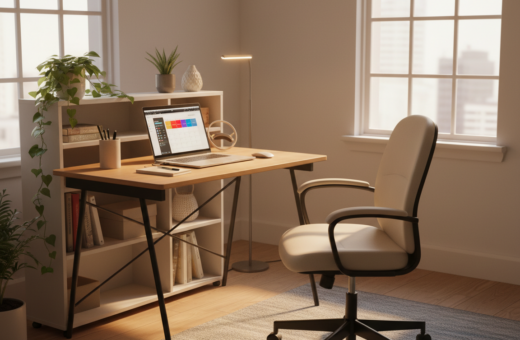
Use wall-mounted shelving and a compact desk to free the floor and define a clear plan for the room. These wall and shelf choices keep essentials visible but tidy.
Include small elements that support focus: a plant, a piece of art, and minimal storage for daily items. Each object should serve a purpose and cut clutter.
Test layouts until the zones feel natural. Move the desk, tweak shelving height, and try different floor arrangements so the nook reads as its own space.
- Prioritize one durable desk and a chair that support long work sessions.
- Add shelving for supplies and a few personal touches to make the area inviting.
- Keep the design simple; clear surfaces encourage focus and calm.
“A clean, intentional nook helps people start work faster and stay productive longer.”
Conclusion
Smartly chosen pieces let a compact flat perform like a full office without extra square footage. Architectural Digest notes that modular furniture balances customization with ready-made practicality for modern living.
Investing in modular office systems and quality office furniture helps rooms adapt as careers and teams change. Effective storage and versatile desks are the foundation of a calm, productive room.
Choose panels and multiuse pieces that move with daily needs. These solutions let a small space support deep focus, clear calls, and quick collaboration for people who work at home.
The best approach is flexible: pick pieces that last, store well, and grow with you.