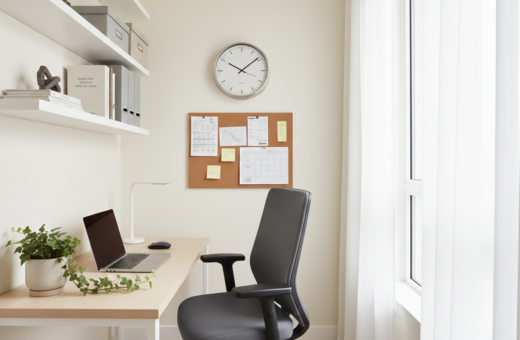
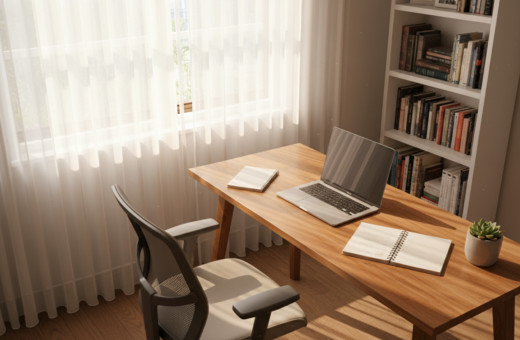
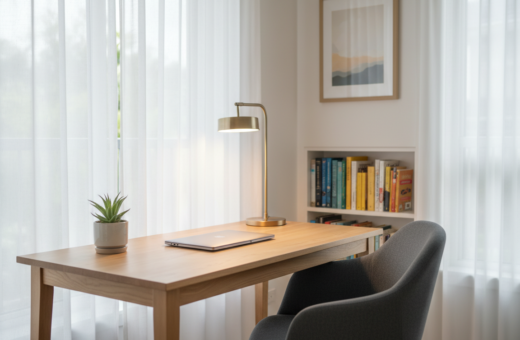
In studios of 400–600 square feet, every inch of living room space matters. Designers note that choosing the right desk balances productivity with limited floor area. Thoughtful planning helps the resident create a functional zone without overwhelming the main room.
Smart furniture choices make the most of small space. Multiuse pieces free up room and keep the home visually calm. With clever layout, a compact desk can support daily work and blend into the living area.
The goal is to maintain comfort while carving a professional corner. They can optimize lighting, select slim storage, and position the workspace near natural flow paths. This keeps the living room usable and preserves apartment style.
Assessing Your Apartment Capacity
An honest count of usable square footage makes planning a workspace realistic. Before buying any furniture, the resident should measure open floor clearance. This prevents a desk from blocking traffic and keeps the living area functional.
Measuring Floor Clearance
Measure from wall to major furniture edges and note walking paths. A clear plan reveals usable area and helps pick the correct desk size.
Understanding Square Footage
Industry guidelines say a functional home office needs roughly 30–50 square feet. Studios with 500–600 square feet often fit a dedicated workspace without feeling cramped.
- Measure floor clearance before purchasing any furniture.
- If total area is under 500 square feet, prioritize compact solutions that don’t overwhelm the room.
- Calculate square footage so the office setup blends with living traffic flow and overall home comfort.
Where to put a desk in a tiny apartment
Finding the best spot for a compact workstation starts with scanning unused corners and narrow wall runs.
Look for overlooked areas: a side of the bed, the back of a sofa, or a short wall next to a window can become a tidy workspace without stealing living room flow.
For laptop users, a desk width of 32–40 inches is ideal. This size fits most laptops, plus a mouse and notebook, while keeping the room uncluttered.
Swapping a nightstand for a compact desk creates a neat home office and saves floor space. If the chair needs room, choose slim chairs that tuck under the table when not used.
- Scan corners and wall runs for an efficient spot.
- Use a 32–40 inch desk for a laptop-only setup.
- Replace a nightstand with a compact desk to merge sleep and work zones.
These simple ideas help professionals make functional desks fit comfortably within very small space layouts.
Utilizing Vertical Wall Space
Think upward: walls can carry storage and technology so the floor stays open. This approach helps reclaim surface area and keeps the room uncluttered while letting people still use walking paths.
Floating shelf designs pair well with monitor arms. A monitor arm pushes the screen up and back, freeing desk surface for notes and a laptop. Vertical shelving units can double storage without expanding the footprint on the floor.
“Mounting storage and screens on the wall transforms small room layouts into productive work zones.”
Modern shelving units and shelves hold computer gear and office supplies. Mounting a compact desk directly on the wall keeps the space open while creating a neat home office setup.
- Use vertical wall space to keep the floor clear and support laptop surfaces.
- Install floating shelves above the desk to maximize every inch of the room.
- Choose sturdy units that hold equipment and keep the workspace organized.
Choosing the Right Desk Dimensions
Selecting correct desk measurements keeps the workstation efficient without crowding living space. A depth of 24 inches is ideal for proper monitor distance and helps reduce eye strain.
Width matters. For many residents, compact desks between 32 and 47 inches wide cover typical needs. Laptop users often find 32–40 inches comfortable without sacrificing walking paths.
Ensure the surface holds a computer and a notebook with room left for small accessories. If the table sits next to the bed, match heights for a cohesive look and smoother flow across the room.
- Depth: 24 inches supports monitor distance and proper posture.
- Width: 32–40 inches for laptop setups; up to 47 inches for dual use.
- Fit: Measure the chair so it tucks under the desk and allows leg clearance.
- Style: A desk small enough for the apartment keeps the home professional and uncluttered.
Choosing the right dimensions balances comfort, ergonomics, and available space. It makes desks work as part of the living area rather than an obstacle.
Incorporating Furniture That Pulls Double Duty
Multifunctional furniture helps small homes stay neat while serving multiple needs. Selecting pieces that shift function saves floor space and keeps the living area flexible for work and rest.
Convertible Dining Tables
Convertible dining tables work well in studios. They expand for evening meals and collapse into a compact table by day.
For daytime tasks, the surface becomes a stable work area. That makes the table an efficient desk substitute without adding extra furniture to the room.
Lift-Top Coffee Tables
A lift-top coffee table transforms quickly into an ergonomic spot for a laptop. The adjustable height brings the screen closer to eye level and improves posture.
Choosing a quality piece furniture ensures smooth mechanism and lasting performance. This approach keeps the workspace discreet when off duty and blends with existing decor.
- Save space in the living room by choosing adaptable tables.
- Use lift-top tables as temporary desks during the work day.
- Pick models with adjustable height for better ergonomics and longer use.
Creating a Dedicated Work Zone
A well-defined workspace acts as a cue that it’s time to work, even inside one shared room. This mental shift helps boost daily productivity and keeps tasks from bleeding into personal life.
Choose one consistent spot in the living room for the desk so routines form naturally. Treat that corner as the home office during work hours and as neutral space after hours.
Keep the area organized with simple storage and clear surfaces. A tidy desk and labeled bins make the small space feel professional and help maintain focus.
- Define the zone with a rug or focused lighting for clear visual boundaries.
- Use compact storage so the office area blends with living decor.
- Set end-of-day rituals that signal the workspace is closed and rest can begin.
Establishing these boundaries creates separation between home life and work. Even in limited square footage, a dedicated area improves focus and sustained productivity.
Maximizing Corner Potential
Corner layouts borrow vertical and horizontal surface from both walls, freeing center space for living. This approach makes the most of limited floor area while keeping circulation clear in a studio.
By tucking a compact desk into the corner, the resident creates an efficient home office area that feels separate without walls. A corner table uses two walls for support and reduces interference with main traffic paths.
Install corner shelves above the surface for extra storage and quick reach to books and supplies. Floating units keep the floor open and make the area feel lighter.
Benefits at a glance:
- Borrows space from two walls so the living room stays open.
- Creates a cozy office area without extra furniture crowding the room.
- Adds storage and shelves above the table for tidy organization.
“Turning an underused corner into a workstation preserves apartment flow and boosts daily focus.”
Implementing Ergonomic Adjustments
Small, frequent adjustments to seating and screen height can prevent pain and keep focus steady during long work stretches. Ergonomic tweaks protect the body and boost daily productivity in limited space.
Monitor Height Alignment
Keep the top of the computer screen at eye level. This alignment minimizes neck tilt and stops shoulder tension during the day.
If using a laptop, add a riser and an external keyboard. That keeps the display at the right height while preserving usable desk surface.
Proper Seating Posture
Choose a supportive chair with lumbar support and adjustable height. Feet should rest flat and knees sit near a 90-degree angle.
Tuck the chair under the table when not in use to save space and maintain clear room flow.
Eye Strain Prevention
Follow the 20-second glance rule: look at something 20 feet away every 20 minutes. This simple habit cuts eye fatigue and keeps focus for longer periods.
Use soft ambient light and reduce glare on the screen. These small changes improve comfort and sustain productivity.
- Key benefits: Better posture, less pain, longer productive time each day.
- Align monitor and chair for a healthier home office setup.
- Take regular breaks to protect eyes and maintain workspace efficiency.
Managing Clutter and Storage
Smart storage choices make it simple to clear surfaces and calm the living area. Use compact tools that keep supplies within reach while preserving open space.
Mount a wire grid or wall rack behind the desk to hang pens, notes, and cables. This keeps the desktop tidy and makes the workspace feel larger.
A rolling storage unit slides under furniture when not used. It frees floor room and offers hidden drawers for paperwork. That move helps the home look orderly at day’s end.
- Use wall-mounted shelving and drawers to keep items off the desk and out of sight.
- Choose one piece of furniture with built-in storage so work materials vanish quickly.
- Keep the living room uncluttered for better focus and cleaner decor.
- Regularly clear papers and supplies so the office remains professional and calm.
Managing clutter and storage is the key to a neat, useful space. A well-organized setup helps them work without distraction and enjoy the room when they stop for the day.
Leveraging Unused Closet Space
Transforming a forgotten closet creates a hidden workspace that keeps the living area calm and uncluttered. Converting one small closet into an office lets the resident close the doors and hide work at day’s end.
Remove the rod and add a compact desk and shelving along the wall. This piece of furniture can hold a laptop and a task light. Add drawers or bins beneath the surface for neat storage.
Custom shelving above the surface maximizes vertical room and keeps supplies tidy. The design keeps cables hidden and creates easy reach for office essentials.
With the right lighting and simple decor, this little corner becomes both productive and stylish. For renters, the closet office is ideal because it does not take up living floor space.
- Hidden office that frees main room floor area.
- Install shelves and drawers to boost storage capacity.
- Use a slim desk and smart furniture for an efficient setup.
“A closet office lets residents work, then close the doors and reclaim their home.”
Exploring Portable Desk Solutions
Portable workstations give renters liberty to shift their office across rooms and layouts without heavy lifting.
Lightweight units that snap together without tools suit people who move every 12–18 months. Folding surfaces and compact desk carts let them fold down or roll away when the room needs open floor.
Rolling desk carts are especially useful. They slide beside a couch, across a sunny window, or into storage. High-quality carts provide stable support for a laptop and basic office gear while freeing the main space at day’s end.
- Choose tool-free assembly for easy moves and quick setup.
- Pick units with built-in storage so supplies stay organized.
- Prefer wheels or folding hinges for flexible use and simple stowage.
These portable ideas keep the home functional and adaptable. Investing in compact, mobile furniture helps maintain order and supports changing work needs without bulky, permanent fixtures.
Optimizing Window Sill Areas
Turning a deep window ledge into a working surface makes use of natural light and existing structure. This simple swap creates an inviting mini desk that saves floor area and improves focus.
Install a slim shelf at the right height along the wall under the window. A narrow table or built-in shelf acts as a stable surface for a laptop and daily notes.
Pick a stool that tucks fully beneath the shelf when not used. That keeps the room uncluttered and preserves walking paths near the bed and living area.
“A window sill workspace combines daylight, view, and function for efficient use of limited area.”
- Use natural light for an uplifting setup and lower energy use.
- Add shallow shelves above the sill for storage without crowding the floor.
- Confirm shelf height so the chair fits and the screen sits at a healthy level.
- Include a small lamp for evening tasks and subtle task lighting.
This solution leverages architecture rather than extra furniture. It offers a bright, compact work spot that keeps the apartment feeling open while giving someone a proper surface for work and study.
Setting Boundaries for Productivity
Visual markers and clear expectations help roommates respect focused office hours. Using a “Do Not Disturb” sign on the workspace gives an immediate cue that someone is busy and cannot be interrupted during work time.
Simple signals—like turning on a specific lamp or placing a dedicated chair—make it obvious the spot is in use. These cues are easy to follow and keep interruptions low throughout the day.
Communicating availability is also vital. Share a short schedule so others know when the person is reachable and when privacy is needed. This reduces surprise visits and preserves productivity.
- Use a visible sign to block interruptions during focused hours.
- Keep dining and work areas distinct to protect evening rest.
- Create a dedicated spot that feels like an office while at work and disappears after the day ends.
“Clear boundaries let the home support both high-level work and real relaxation.”
For tips on layout and organization that reinforce these boundaries, see organize your desk strategies that match limited space living.
Maintaining a Clean Workspace
A simple five-minute tidy at the end of the day keeps a small workspace efficient. This habit clears the surface, reduces visual noise, and helps them begin the next morning ready for focused work.
They should remove nonessential items from the desk and return supplies to storage. Keeping papers, chargers, and pens organized prevents clutter from expanding across the room.
Creating a dedicated user profile on the computer keeps work apps separate from personal accounts. That separation limits distractions and makes digital files easier to find.
- Daily reset: clear the surface each evening for a fresh start the next day.
- Smart storage: use bins or slim drawers so the computer and peripherals stow neatly.
- Minimal setup: leave out only what is needed for current tasks to cut clutter and save time.
A tidy office reflects a professional mindset. Small rituals and clear storage choices help them make the most of limited space and stay focused through the work day.
Selecting Materials for Rental Spaces
Durable, easy-to-finish surfaces make renting with style much simpler.
Unfinished wood, like 13-ply Baltic birch plywood, is ideal for renters. It accepts stain or paint so the surface can match any wall and existing decor.
Structural-grade plywood resists warping and stands up in humid units. That durability means the piece will last through moves and years of daily use.
Choose one piece furniture that balances strength and finish. A well-made corner table or small desk becomes a reliable work surface and adds character without heavy renovation.
- Customizable: unfinished boards can be stained or painted for a cohesive look.
- Durable: structural plywood tolerates humidity and heavy use.
- Portable: compact desk designs often offer tool-free assembly for renters.
“By picking sturdy, refinishable materials, the resident ensures desks remain beautiful and functional through moves.”
Conclusion
Thoughtful choices around furniture and layout make a professional work zone possible despite restricted square footage. They can assess floor plans, pick versatile pieces, and keep sightlines open so the living area still feels roomy.
Prioritizing ergonomics and storage keeps the setup comfortable and clutter-free during long days. Choosing the right desk size and a supportive chair helps maintain balance between work and rest.
Whether the plan uses wall-mounting, convertible furniture, or hidden solutions, the right approach adapts to each resident’s needs. For design ideas that hide work when not needed, see hidden home offices.